
Alright, fellow nature lovers, gather 'round! Let's talk about one of the most mind-blowing spectacles our planet has to offer: the great winter whale migration. As we roll into 2026, this epic saga of endurance continues, with some of the ocean's largest mammals embarking on journeys that would make any road trip look like a quick grocery run. Forget the usual suspects for winter travel; I'm here to convince you that grabbing your camera and some binoculars to witness these leviathans is the move this season.
Think of the West Coast as a massive, watery highway during winter. The traffic jam here isn't cars, but gray whales on a staggering 12,000-mile round-trip commute from Alaska to the Baja Peninsula. These guys are the ultimate long-haul truckers of the sea, taking about two months for the journey. And get this—sometimes they're so close to shore, you could almost have a conversation with them from the beach! It’s like spotting a fleet of living submarines cruising just off the coast. For a front-row seat, you can't beat SoCal's Catalina Island. It's got that Caribbean vibe but with the added bonus of whale spouts on the horizon.
Now, if you really want to see where the party's at, you gotta head to the Baja California lagoons. This place is the whale equivalent of a tropical maternity ward and spa retreat combined. By mid-February, the lagoons are absolutely packed with gray whale mothers and their newborn calves. The water's a balmy 70°F—basically a giant, luxurious bathtub that also attracts humpbacks, blue whales, and even whale sharks. Seeing a curious calf approach a boat is an experience that hits you right in the feels; it's like being granted an audience with oceanic royalty.
My Top Baja Spots:
-
Laguna San Ignacio: The ultimate land-based viewing platform.
-
Punta Piedra: For the adventurous souls who want to camp sustainably with whales as their neighbors.
-
Sea of Cortez: Hop on a boat tour. Yes, they can be pricey, but locking eyes with a 40-ton creature? Priceless. Trust me.
Heading north up the Pacific Coast, Monterey Bay is another must-visit. This half-moon shaped bay is a major pit-stop for both gray and humpback whales. The whole area is buzzing with life—imagine whales breaching with a backdrop of sea lions and porpoises playing in the waves. It’s a marine ecosystem firing on all cylinders.
Where to Post Up in Monterey:
| Location | Why It's Awesome |
|---|---|
| Fisherman's Wharf | Jump on a tour boat right from the heart of the action. |
| Moss Landing Whale Park | Perfect cliff-side perch for a spontaneous whale search. |
| Pacific Coast Highway | Literally any scenic pull-off could become your personal IMAX theater. |
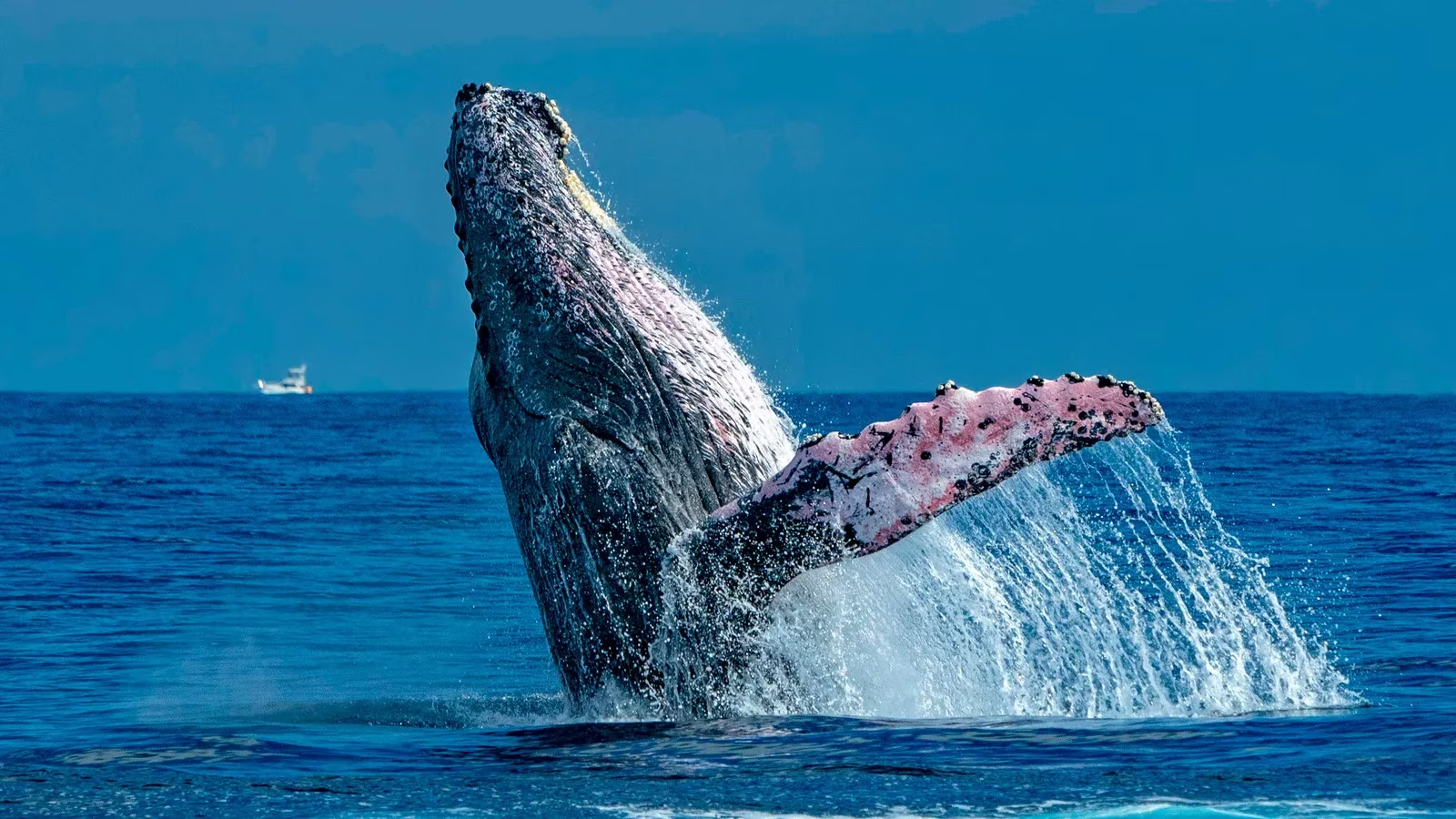
Now, let's talk Hawaii. Every year, a pod of humpback whales makes the savvy decision to swap Mexico for the Hawaiian Islands. Their journey from the Arctic is nothing short of heroic. By December, the waters around Maui are their winter playground. Watching a humpback launch its entire body out of the water near Maui is like seeing a living mountain perform a belly flop—it’s powerful, graceful, and utterly breathtaking.
Hawaiian Whale Hotspots:
-
Hawaiian Islands Humpback Whale National Marine Sanctuary (Maui): The official HQ.
-
McGregor Point & Lahaina: Prime land-based viewing with epic panoramas.
-
Kayaking tours from Kihei: Paddle out for a quiet, respectful, and educational encounter.
Switching coasts! Don't think the Atlantic is slacking. Virginia Beach becomes a humpback highway each winter as they head to the Caribbean. The season peaks around mid-February, but you might get a Christmas miracle with an early sighting. Occasionally, you might even spot a fin whale in the mix—the Formula 1 racers of the whale world, cruising at up to 23 mph on migrations up to 15,000 miles long! 🐋💨
East Coast Essentials:
-
Virginia Aquarium Tours: They run daily, educational boat trips.
-
False Cape State Park: Try a mid-morning visit for your best shot from land.
Back on the West Coast, San Diego offers a fantastic two-for-one deal. Gray whales parade down the coast from December, peaking in January/February. For the best free show, head to the Birch Aquarium at Scripps terrace or the Cabrillo National Monument. But if you're after the blue whale—the largest animal to ever exist on Earth—you'll need a boat. Their fall migration sometimes spills into winter, and seeing one is like witnessing a living, breathing skyscraper glide through the deep. It redefines your sense of scale.
A couple more gems for your list:
-
Oregon's Depoe Bay: Dubbed the whale-watching capital, it's magical around Christmas through New Year's during Whale Watch Week. Yaquina Head is a stellar lookout.
-
Cape Cod, MA: Tours run into early fall, but winter remnants offer chances for unique sightings.
-
Kailua-Kona, Hawaii: Beyond Maui, the Big Island's shores, like Hapuna Beach, often get breached by noisy humpbacks saying hello.
Finally, a solemn note for the critically endangered North Atlantic right whale. Their migration paths cross busy shipping lanes, making sightings rare and special. If you're incredibly lucky, you might spot one from a pier in Jacksonville or near Cape Canaveral. Seeing one is a profound reminder of our responsibility to these ocean giants.
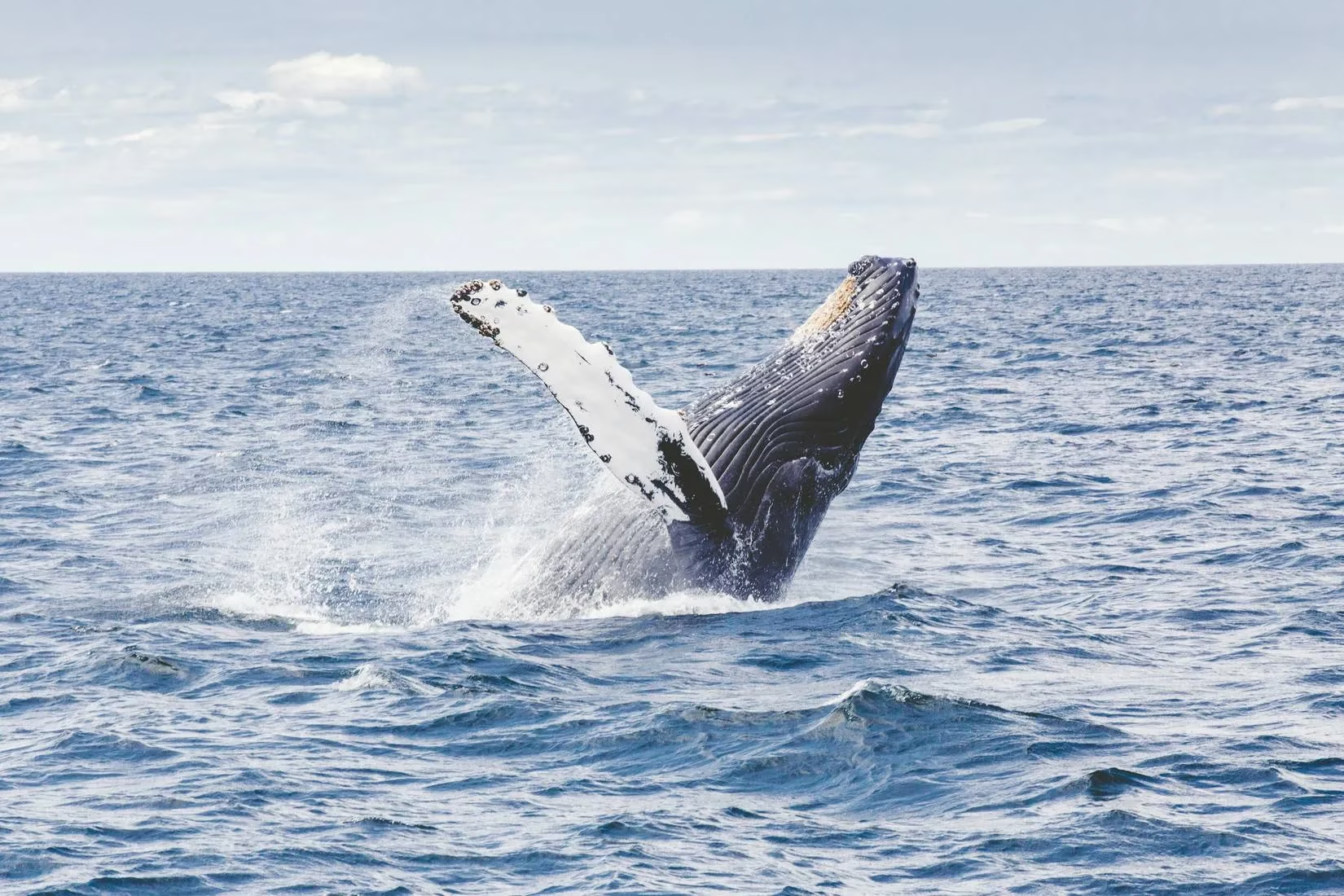
So there you have it, my 2026 guide to winter whale-watching. It's more than just a trip; it's connecting with one of nature's oldest and grandest rhythms. The feeling you get when you see that first spout or a massive tail fluke disappear into the depths is like finding a secret heartbeat of the planet—it’s raw, powerful, and stays with you forever. Now go plan your adventure, and maybe I'll see you out on the water! 🌊✨