
I have spent the past few weeks watching the classic-truck market the way some people watch stock charts, and the first thing I learned is simple: a old pickup is not just a old pickup anymore. In 2026, the collector market still treats certain workhorses like buried treasure, while other trucks remain reminders that nostalgia cannot fix a bad design. Buying a car is usually part of living expenses, not an investment, but classic trucks have written a different story. A cool old truck that once hauled tools and firewood can now be worth tens of thousands of dollars, and auction prices keep proving that collectors are willing to pay for history, character, and a little chrome.
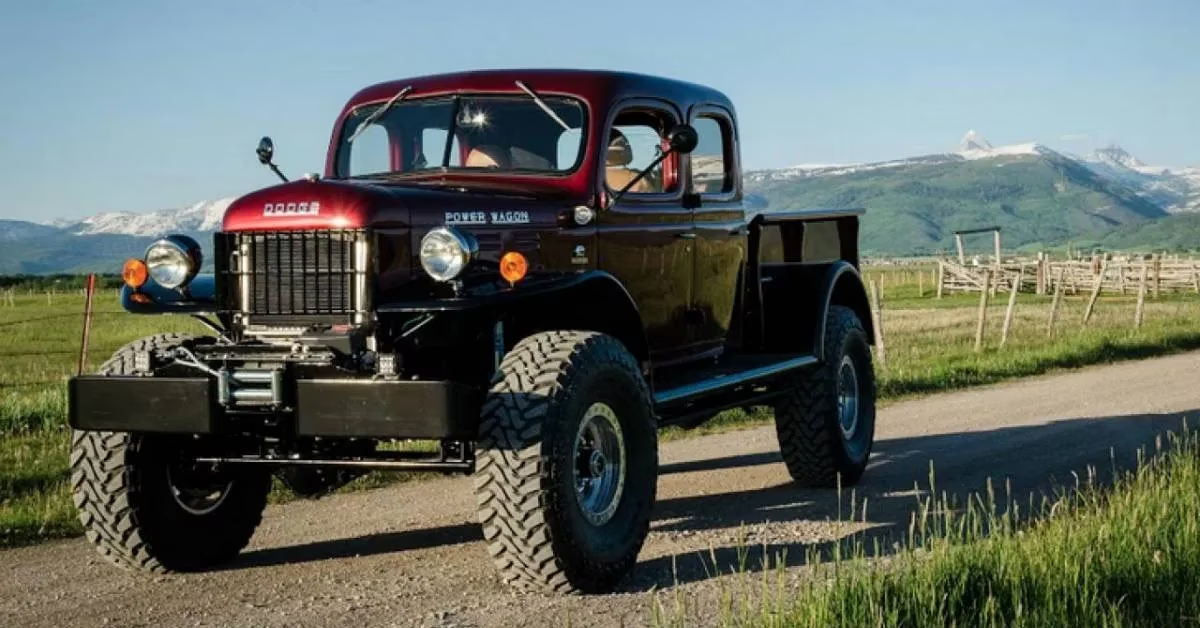
So what separates a treasure from a money pit? I think the answer is not just rarity. It is usability, restoration quality, and the story a truck tells. Many collectors like modified pickups because they offer a comfortable modern drive while keeping the old shape alive. Others want a truck that is simply restored, not reinvented. The prices move with the degree of improvement, which is why two trucks that look similar from ten feet away can have wildly different values up close. Some old trucks are treasures. Others are better left alone.
The Trucks I Would Chase
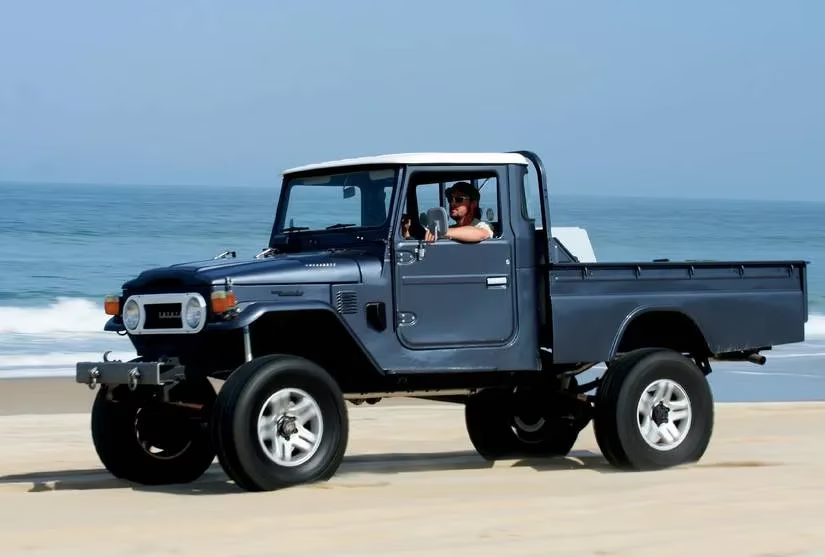
I would start with the Toyota Land Cruiser FJ40. Not to be outdone by the American Jeep and British Land Rover, Toyota launched the iconic FJ series in 1960 and promised a good, safe drive. The FJ40 came in soft-top and hard-top models, and it even featured cool folding jump seats behind the front seats. FJs are so sturdy that old ones either still work or need only some repair to get back their former glory. Restored Land Cruisers are worth over $75,000, and in my view they remain one of the safest collector bets in the classic 4x4 world.
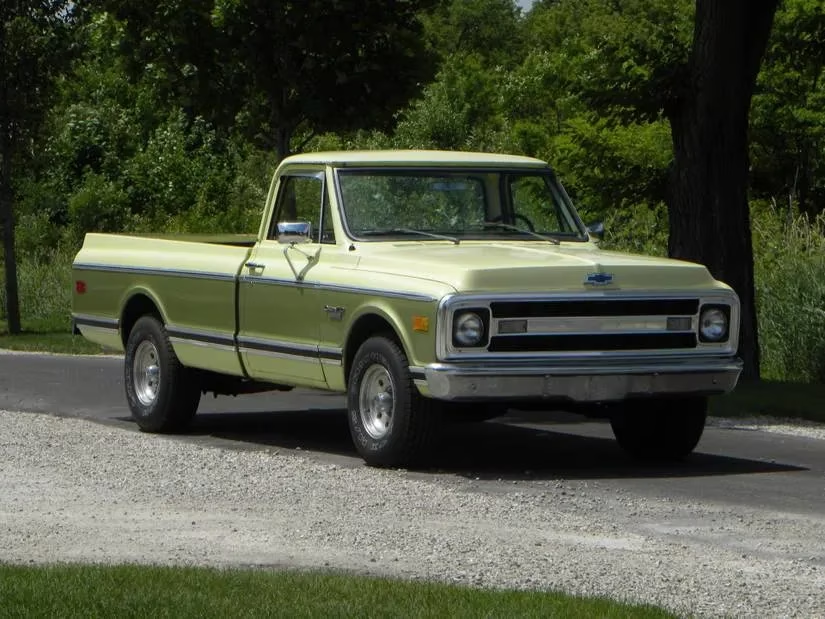
Then there is the 1970 Chevrolet Pickup. Chevy’s Action Line trucks are famous for being classic while looking modern, but the beautiful yet tough early 1970s models are the ones collectors chase hardest. The short-bed models were not cheap when new, yet their value has climbed by a dramatic 1,189%. Neatly restored examples are worth up to $45,000 today. Is that not the kind of quiet success story every collector dreams about?
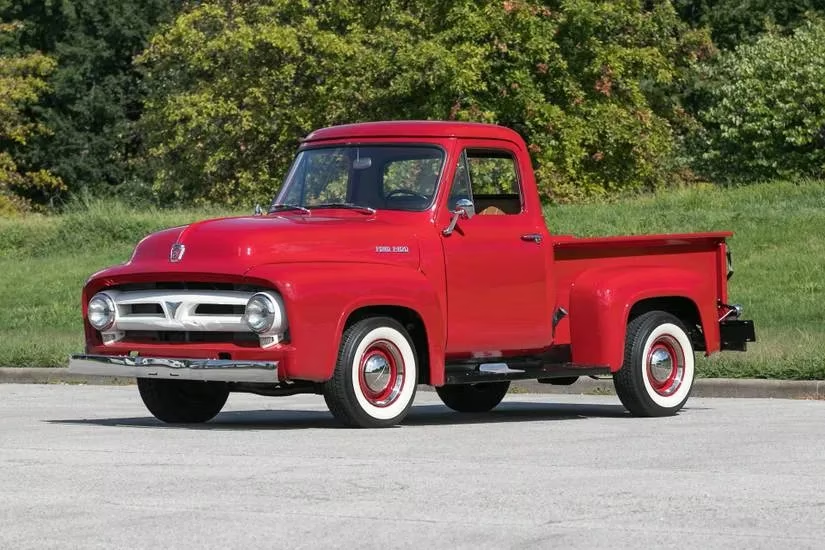
The Ford F-100 also belongs on my short list. In its golden anniversary year of 1953, Ford introduced a super cool truck that was everything it had to be plus well-designed and comfortable. It came in long-bed and short-bed models, with the latter proving more popular. In 1956, Ford improved several parts and pushed popularity even higher. During its three-year run, more than 162,000 units were produced, and a delightful restored F-100 in the garage is an asset of almost $65,000. I like it because it feels like a truck first and a showpiece second.
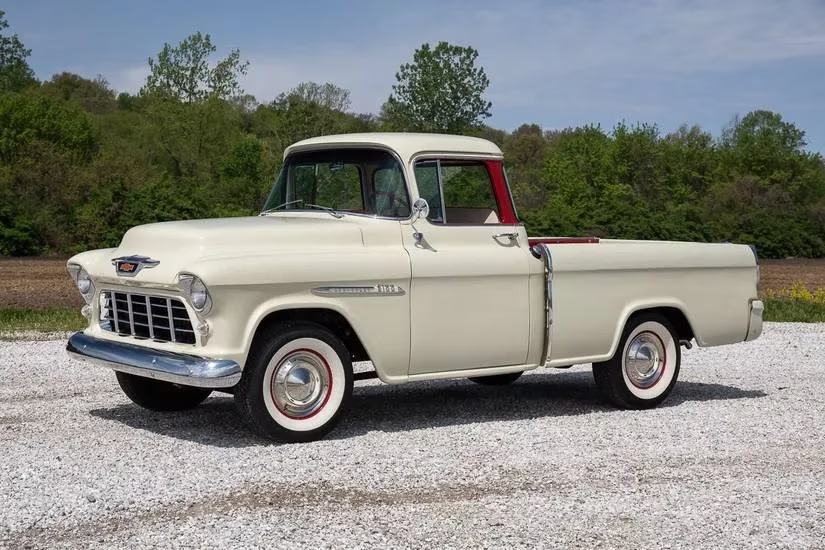
The Chevrolet Cameo is another favorite. Chevy introduced it in 1955 with a combination of popular car features and general truck sturdiness. It came with fiberglass fenders and an optional V8 engine. Chevy’s stylish yet rugged pickup is remembered as the world’s first sport truck. Despite moderate sales in the late 1950s, it is now one of the most popular vehicles among collectors, and mint-condition examples can sell for up to $60,000. That blend of style and muscle is hard to resist.
I also have a soft spot for the Dodge Power Wagon. After World War II, Dodge released a civilian version of its successful military truck series, and the Power Wagon has been an icon ever since. It was an exceedingly useful truck in the 1950s and remains sturdy, drivable Americana now. Each part seems to be there for a purpose, giving a safe and comfortable drive on the hardest roads. Dodge kept it in production for almost thirty years without needing significant changes, yet the early 1946 to 1956 versions remain the most desirable among collectors worldwide. A beautifully restored version is worth up to $65,000 now.
The Trucks That Test My Patience
Not every classic truck deserves a pedestal. The Subaru BRAT, for example, had car-like size and a pickup-size trunk at the back, but the bed was too small to make it a useful truck. I remember it as a regular car with a trunk rather than a real truck. The Cadillac Mirage is similar in spirit: it carried a large trunk at the back with more than enough room for loading, but it lacked strength. Only 204 units were ever produced, and the line ended quickly. Some people would still buy a Mirage for its appealing appearance, but I would treat it as a cool car, not a work truck.
The Chevrolet K2500, introduced in the late 1950s, could get the hauling job done, but buyers reported many problems with internal components. Faulty speedometers and fuel-level sensors put safety at risk. The Ford Courier looked tough on the outside but proved frail, and reports mentioned electrical issues that could cause parts of the car to lose power when braking. Age explains some of those malfunctions, but not all of them. The Dodge Dude also struggled: it was not good for long rides, its long body and bed proved troublesome, and breakdowns were frequently reported. Its casual, trendy design was hard to resist, but it was essentially a show truck.
| Truck | My Verdict | Collector Appeal |
|---|---|---|
| Toyota FJ40 | 🟢 Strong buy if restored | Over $75,000 |
| 1970 Chevrolet Pickup | 🟢 Short-bed treasure | Up to $45,000 |
| Ford F-100 | 🟢 Blue-chip classic | Around $65,000 |
| Chevrolet Cameo | 🟢 Style plus rarity | Up to $60,000 |
| Dodge Power Wagon | 🟢 Tough icon | Up to $65,000 |
| Subaru BRAT | 🟡 Fun, not a real hauler | Niche |
| Cadillac Mirage | 🟡 Showpiece only | Very rare |
| Chevrolet K2500 | 🔴 Reports of faults | Caution |
| Ford Courier | 🔴 Frail reputation | Caution |
| Dodge Dude | 🔴 Style over substance | Caution |
What I Tell New Collectors
In 2026, I would not chase every old truck with a shiny grille. I would ask three questions. Does it still do the job it was built for? Is the restoration honest, or is it hiding rust and electrical gremlins? And does the model have a story that collectors actually respect? The market rewards trucks that answer yes to all three. The rest become weekend novelties, which is fine if that is what you want, but it is not the same as owning a classic that holds value.
My final take is simple: old trucks are to collectors what rare stones are to geologists. Some are worth the hunt, some are worth the garage space, and some are worth walking past. The trick is knowing the difference before the auction ends.