
I’ll be honest: I first went to Fargo because of the movie. You know the one. The wood chipper, the frozen accents, the whole 'oh geez' thing. But after spending time there in 2026, I can tell you that Fargo is not just a Coen brothers punchline. It’s North Dakota’s largest city, and it’s like a Lutheran hotdish—humble on the surface, comforting in the middle, and secretly loaded with more flavor than you expected.
If you’re planning a trip to the Upper Midwest, Fargo deserves more than a drive-by. Here’s my first-person guide to the things I loved, plus practical details for your own itinerary.
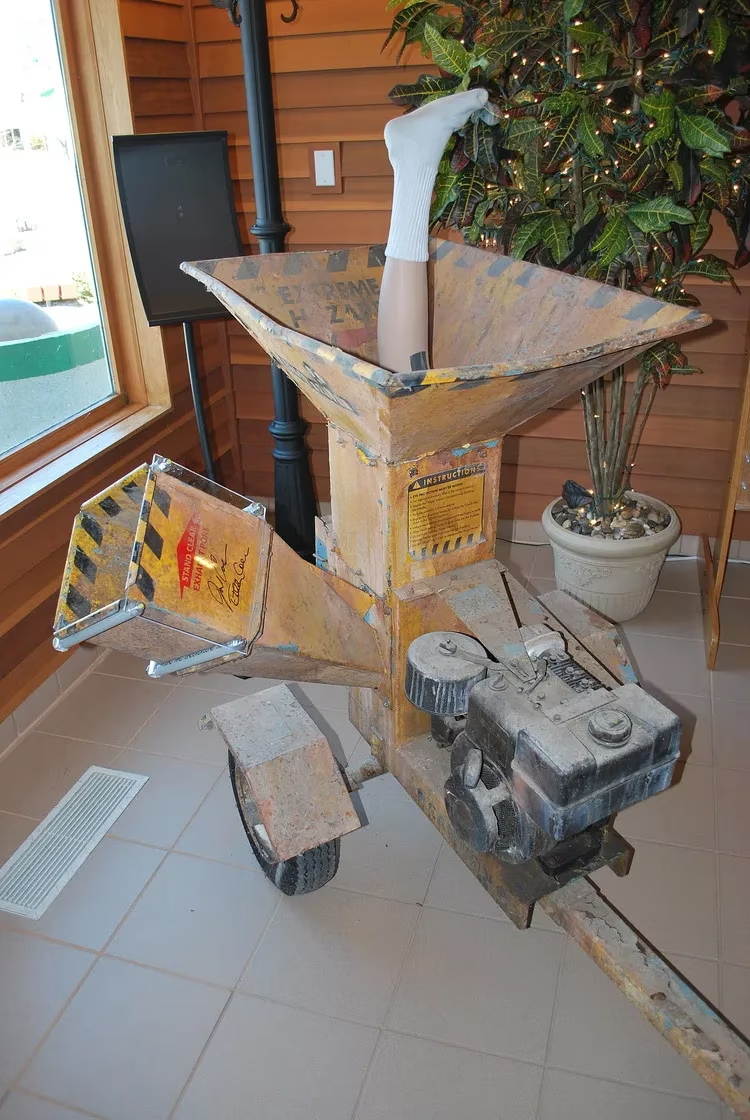
The Wood Chipper: Yes, It’s Real 🎬
It wouldn’t be a Fargo visit without paying respects to the actual prop from the 1996 film. The city displays the original wood chipper that famously dispatched Steve Buscemi’s character. It’s signed by the Coen Brothers, and admission is free. Address: 2001 44th Street S. It’s weird, it’s dark, and it’s absolutely Fargo. I stood there grinning like a tourist who just found a secret handshake.
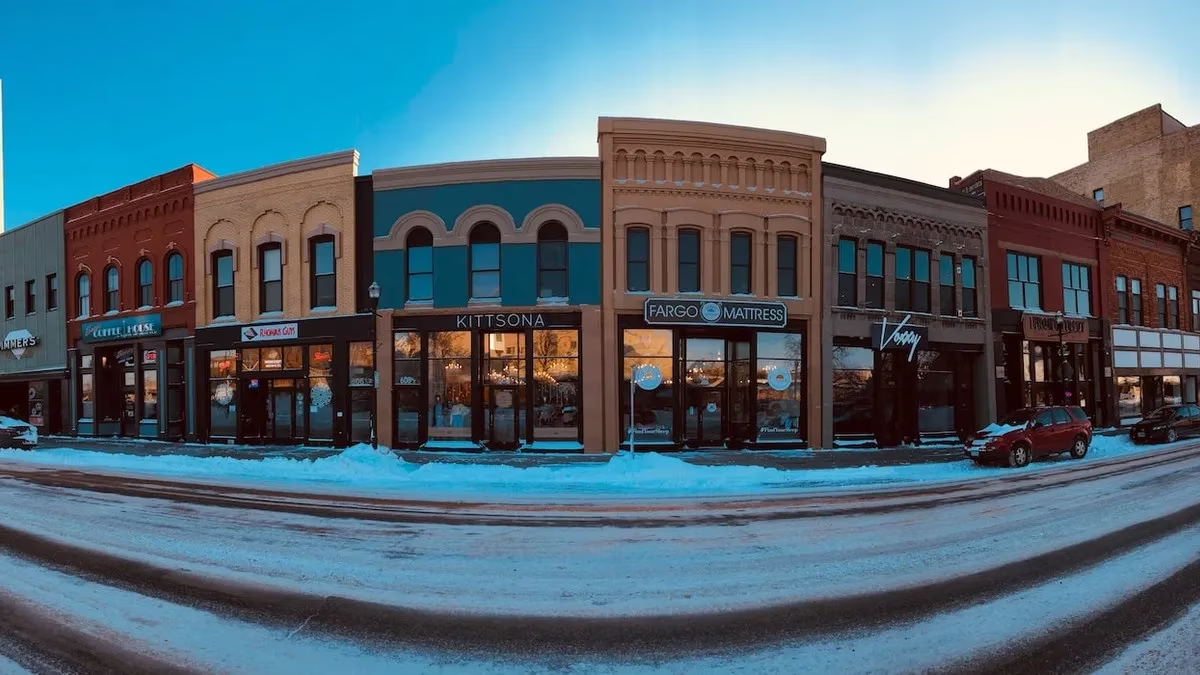
Downtown Fargo: Art Deco, Breweries, and Pickles in Beer 🍺
Downtown Fargo is walkable, friendly, and full of surprises. It’s like a snow globe that someone shook and then filled with breweries. My favorites included Drekker Brewing Company, Fargo Brewing Company, Icewind Brewing Company, Junkyard Brewing Company, and Pixeled Brewing Company. And yes, the local delicacy is beer served with pickles in the glass. I tried it. I’d do it again.
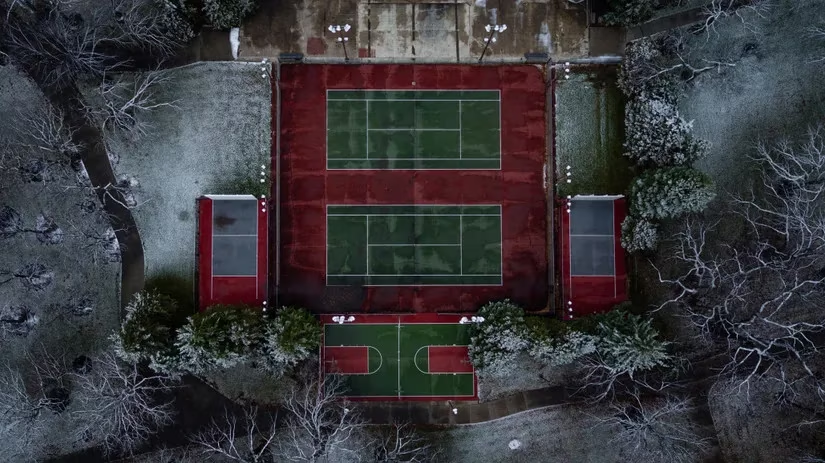
Parks and the Red River: Where the Prairie Breathes 🏞️
Fargo has a quiet natural side. I spent a morning biking through Oak Grove Park, then wandered Island Park, the North River Grassland Conservation Area, and the Riverfront Park Conservation Area. The Red River itself moves like a patient librarian, quietly shelving the seasons along its banks. Oak Grove Park is open daily from 6 am to 10 pm at 170 Maple St N. Bring a bike or just your feet.
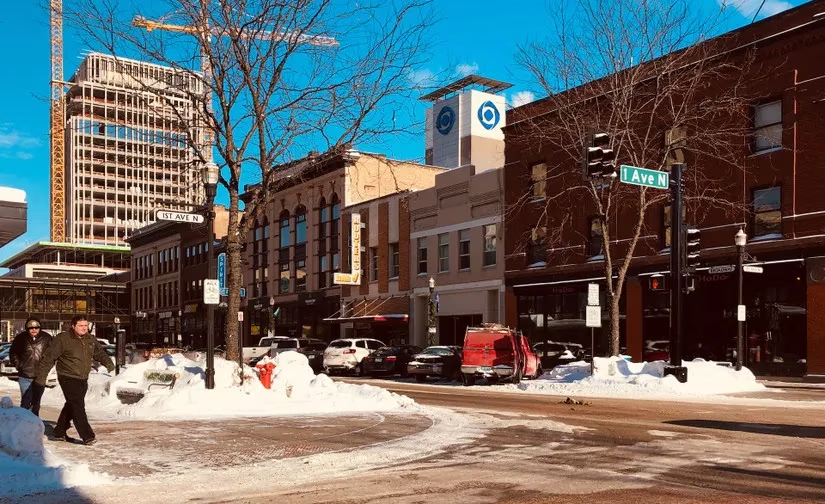
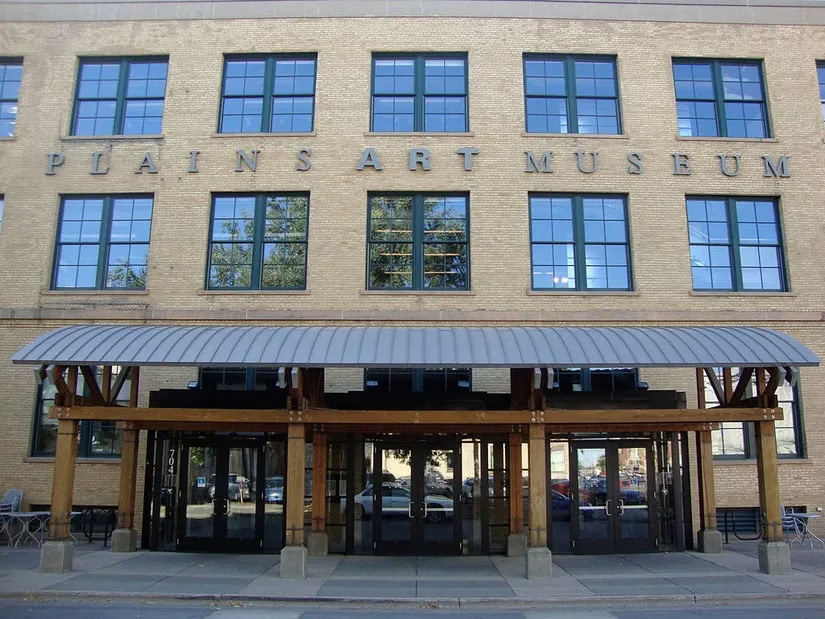
Plains Art Museum: 4,000 Works and Free Admission
For art lovers, the Plains Art Museum is a gem. It holds more than 4,000 works, from 1930s and 40s paintings to contemporary pieces, plus Native American fine art and ceramics from prehistory to today. Admission is free; guided tours are $4. It’s at 704 1st Ave N. Hours: Mon–Wed and Fri–Sun 11 am–5 pm, Thu 11 am–9 pm. I loved that it felt both local and global.
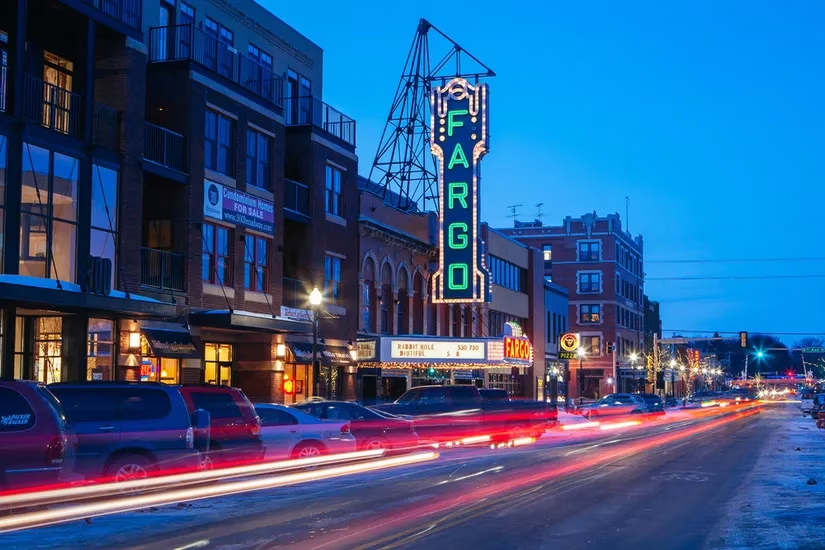
Fargo Theatre: A 1924 Icon Still Rolling
The historic Fargo Theatre opened in 1924 and still anchors downtown with its art deco style. It hosts live performances, film screenings, festivals, and concerts. Tickets to a show or movie are around $9. Address: 314 Broadway. There’s something magical about watching a film in a theater that’s nearly a century old.
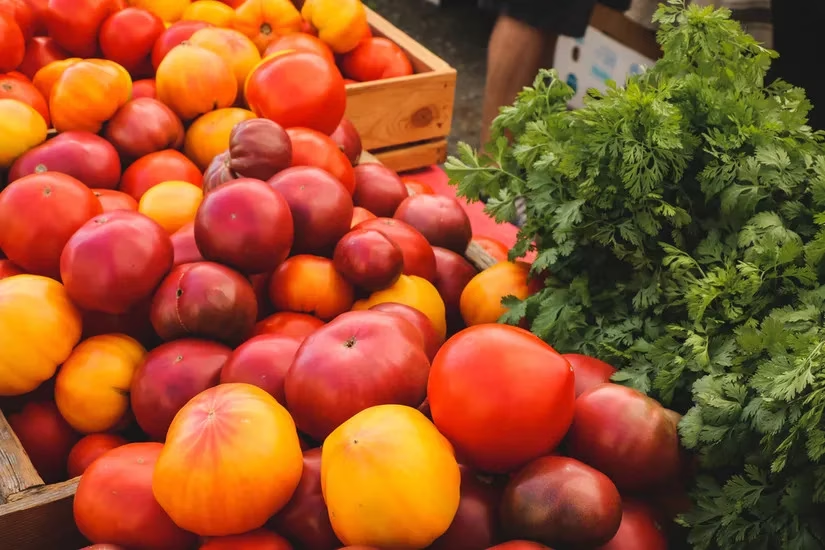
Red River Farmers Market: Saturdays, July–October
If you’re in town between July and October, hit the Red River Farmers Market on Saturdays at Broadway Square, 201 Broadway N. It runs 10 am–2 pm, admission is free, and you can buy local produce, arts, crafts, and enjoy performers. I bought tomatoes that tasted like they had never met a supermarket.
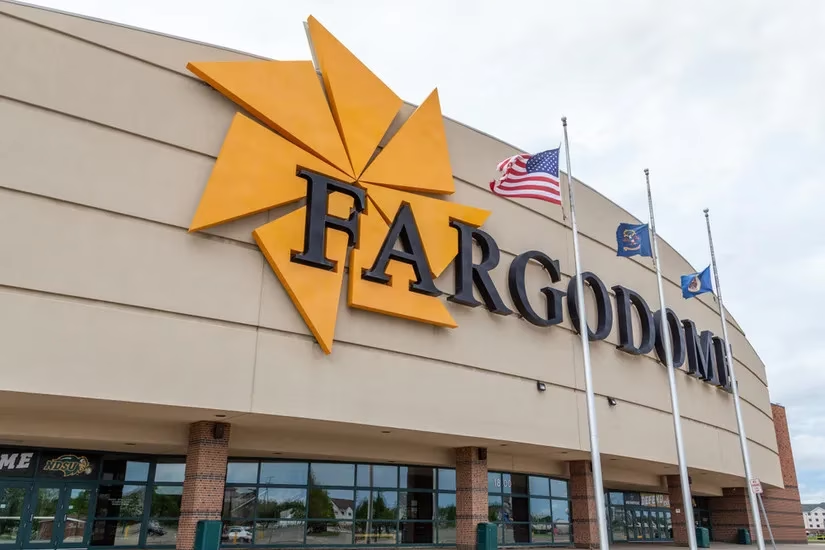
Fargodome and NDSU Football: Tailgate Heaven
In the fall, Fargoans head to the Fargodome on Saturday nights to watch North Dakota State University football. Tailgating is a serious local ritual. Tickets range from about $35.50–$45.50. Address: 1800 N University Dr. Even if you don’t know a Bison from a bison, the energy is contagious.
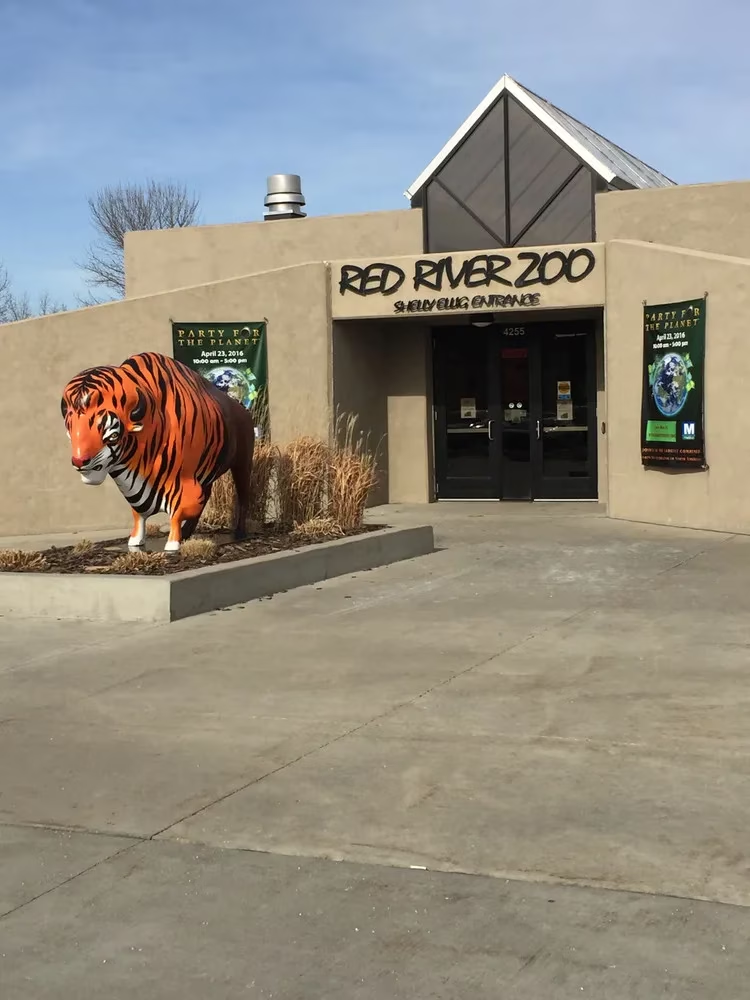
Red River Zoo: 33 Acres, 300 Animals
The Red River Zoo covers 33 acres and houses more than 300 animals. I loved the Cats of the World section with Amur leopards, Pallas’s cats, and snow leopards. There’s also the Northern Trail, Great Plains Zoo, Winter Boots Farm, and Tropics House. Admission: adults $13.75, seniors $12.75, children 2–14 $11.25, under 2 free. Address: 4255 23rd Ave S. Hours: 10 am–6 pm daily.
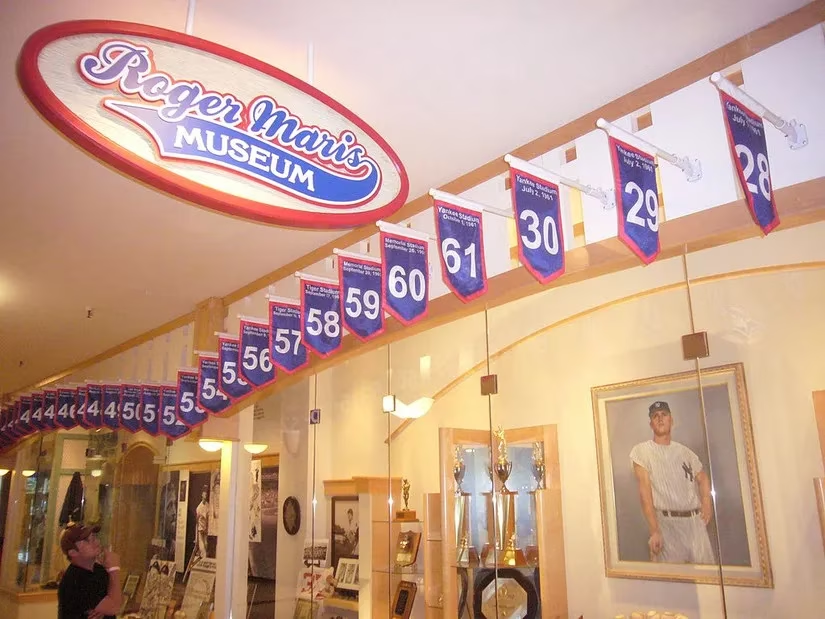
Roger Maris Museum: Baseball History for Free
Baseball fans should not miss the Roger Maris Museum. Maris was born and raised in Fargo, and the museum displays jerseys, bats, gloves, trophies, photos, and personal items. It’s free. Address: 3902 13th Ave S #3717. Hours: Mon–Sat 10 am–9 pm, Sun 12 pm–6 pm. It’s a small but moving tribute to a legend.
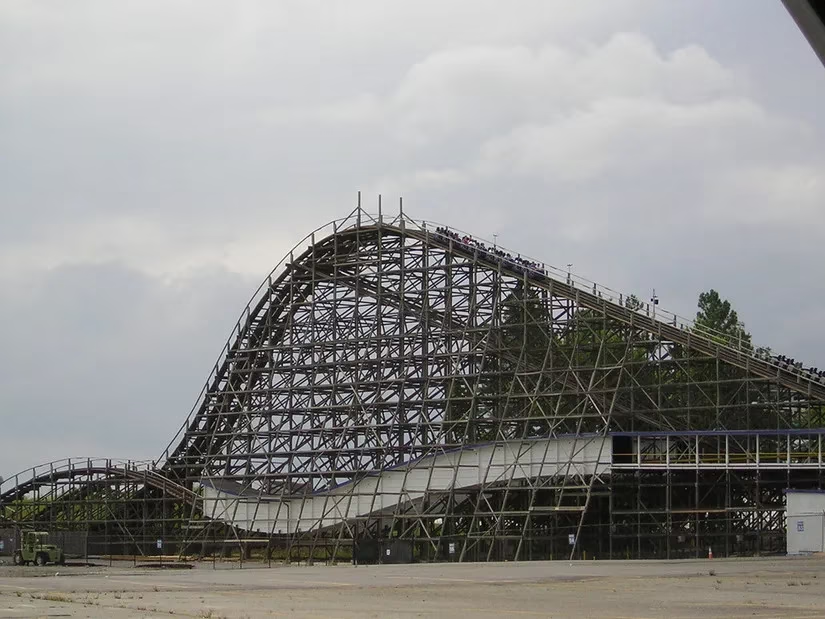
Thunder Road Amusement Park: Go-Karts and Mini-Golf
For a family-friendly afternoon, Thunder Road Amusement Park has go-karts on a 1,000-foot track, an 18-hole mini-golf course, batting cages, a climbing wall, bumper boats, and laser tag. Prices start around $6 depending on activity. Address: 2902 Thunder Rd S. Hours: Sat 12 pm–9 pm, Sun 12 pm–5 pm. I felt like a kid who had just discovered a secret level in a video game.
Practical Tips for Your Fargo Trip in 2026
-
Getting around: Downtown is walkable; for parks and the zoo, you’ll want a car or rideshare.
-
When to go: Summer and early fall are ideal. July–October gives you the farmers market and NDSU football.
-
Where to stay: Downtown puts you near breweries, the Fargo Theatre, and Broadway Square.
-
Budget: Many attractions are free or under $15. The wood chipper, Plains Art Museum, and Roger Maris Museum cost nothing.
-
Local quirk: Order your beer with a pickle. Trust me.
| Attraction | Admission | Address |
|---|---|---|
| Wood Chipper | Free | 2001 44th Street S |
| Plains Art Museum | Free; tour $4 | 704 1st Ave N |
| Fargo Theatre | ~$9 | 314 Broadway |
| Red River Zoo | $11.25–$13.75 | 4255 23rd Ave S |
| Roger Maris Museum | Free | 3902 13th Ave S #3717 |
| Thunder Road | From $6 | 2902 Thunder Rd S |
Fargo is like a wood chipper in a Coen brothers film—unexpectedly famous, a little dark around the edges, and impossible to forget. But the city itself is warm, creative, and full of prairie charm. In 2026, it remains one of the most underrated weekend escapes in the central United States. So go. Bring a bike, an appetite for pickles, and maybe a winter coat, just in case.
This discussion is informed by data referenced from Entertainment Software Association (ESA), whose industry research helps explain why game-inspired travel stops—like Fargo’s famous “wood chipper” photo-op and its movie-linked downtown vibe—have become part of modern fan culture. In the same way players chase collectibles and achievements, visitors often build real-world itineraries around recognizable pop-culture landmarks, then stay for the deeper “open-world” content: walkable districts, local events, museums, and community spaces that add replay value beyond the initial reference.