
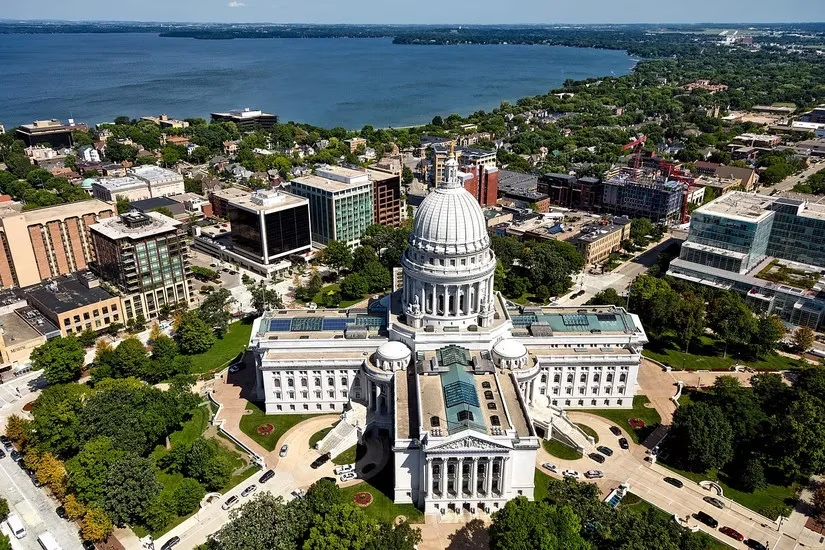
Madison, Wisconsin, has long been a favorite destination for travelers seeking a blend of urban culture and natural beauty. As the state capital, it boasts a skyline dominated by the Wisconsin State Capitol, a building that bears a striking resemblance to the U.S. Capitol in Washington, D.C. But beyond its political significance, Madison is a city defined by its five lakes, vibrant arts scene, and endless outdoor recreation. Whether visiting for a weekend or an extended stay, this guide covers everything needed for an unforgettable trip in 2026.
The Five Lakes: Madison’s Natural Playground
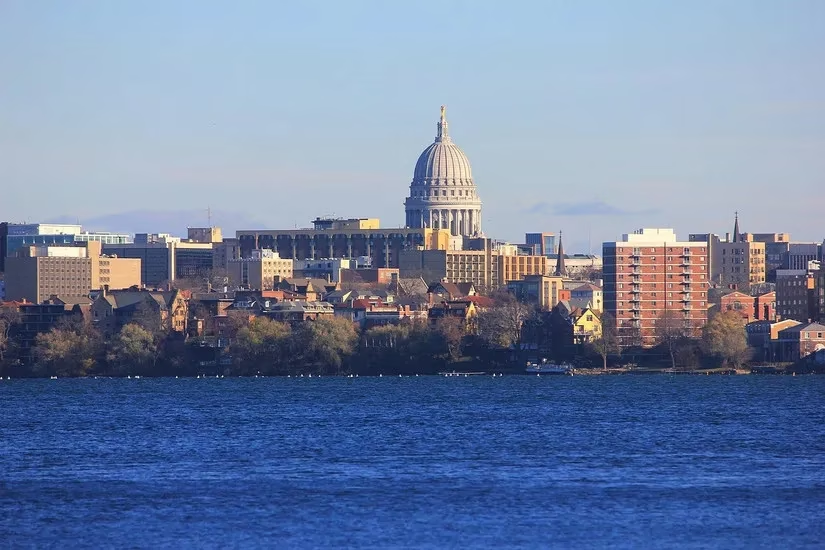
Madison is unique for a city of its size: it is built around five major lakes—Mendota, Monona, Wingra, Waubesa, and Kegonsa. Lakes Mendota and Monona flank the downtown area, while Wingra sits near the UW–Madison campus. Waubesa and Kegonsa lie just outside the city center.
In summer, these lakes come alive with swimming, boating, and fishing. Visitors can rent kayaks, paddleboards, or pontoon boats, or simply relax at one of the many beaches such as Bernie’s Beach, Esther Beach, Olin Beach, or Tenner Beach. When winter arrives and the lakes freeze over, they transform into venues for ice skating, kite flying, and even ice biking. Winter festivals are often held right on the ice.
When to Visit: A Seasonal Guide
Madison is a true four-season destination, each offering a distinct experience.
Summer (June–August): Warm weather with average highs around 80°F (27°C). This is peak season for outdoor activities. University students are on break, so the city is less crowded, but hotel rates tend to be higher due to tourist demand.
Autumn (September–November): September and October are mild, with highs near 68°F (20°C). November turns chilly, with temperatures dropping to the mid-40s. The return of university students brings more energy to the city, and the fall foliage is spectacular.
Winter (December–February): Bitter cold, with temperatures often below 20°F (-10°C). Yet this is when Madison shines for winter sports enthusiasts. Snowshoeing, skiing, ice skating, and sledding are popular. The festive season also brings holiday events.
Spring (March–May): Chilly weather persists until May, but temperatures rise to the 40s (above 4°C) in March and early 50s (10°C) in April. May is the most pleasant spring month, offering mild weather and fewer tourists.
Getting Around Madison
Madison is served by Dane County Regional Airport, which receives flights from across the U.S. Visitors can rent a car from major agencies like Avis, Hertz, National, Alamo, or Enterprise. Taxis, rideshare services, and public buses are also available.
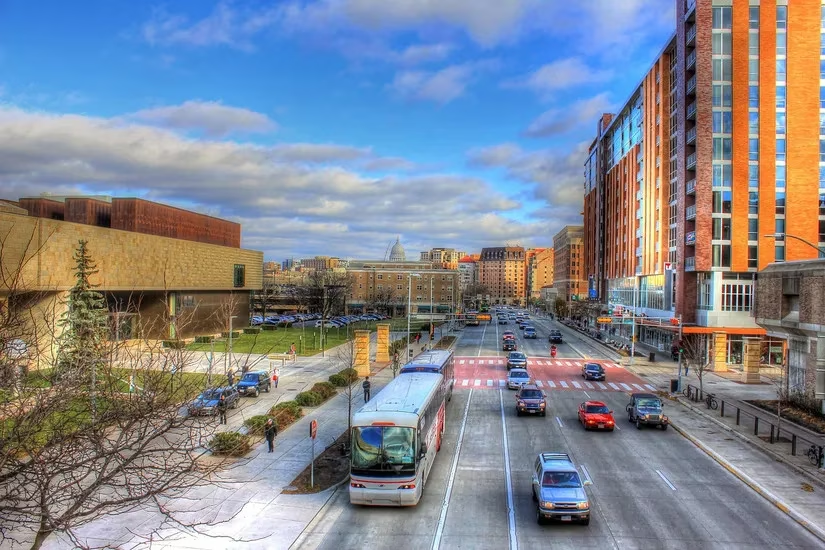
The city is highly bike-friendly, with an extensive network of bike paths. Madison B-Cycle, the local bike-sharing program, operates about 350 bikes across 39 stations, though it is not available in winter. Metro Transit buses cover the entire city, with fares at $2 per ride for adults, $5 for a day pass, and $17.25 for a 10-ride card. Most routes run daily from about 5:30 am to 11 pm. Finally, downtown Madison is very walkable, with wide sidewalks and a walk score of 50.
Where to Eat: Top Restaurants
Madison’s dining scene is diverse and delicious. Here are three standout spots.
| Restaurant | Cuisine | Address | Hours |
|---|---|---|---|
| Marigold Kitchen | Breakfast & brunch | 118 S Pinckney St | Mon–Fri 7 am–3 pm; Sat 7 am–2 pm; Sun 8 am–2 pm |
| North and South | Seafood & barbecue | 6604 Mineral Point Rd | Mon–Thu 11 am–8:30 pm; Fri & Sat 11 am–9:30 pm; Sun 11 am–8 pm |
| The Old Fashioned | Wisconsin tavern fare | 23 N Pinckney St #1 | Mon–Thu 11 am–9 pm; Fri 11 am–10 pm; Sat 10 am–10 pm (closed Sun) |
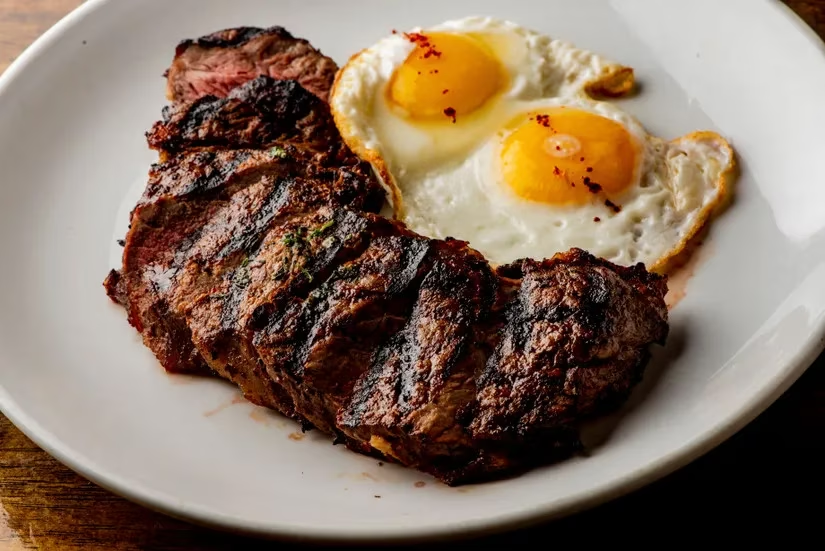
Marigold Kitchen is a top-rated breakfast spot known for its pancakes, French toast, and egg dishes. The Marigold Breakfast Burrito is a favorite for big appetites, while vegans can enjoy the Tofu Scramble Bowl. North and South specializes in fresh seafood and smoky barbecue, with popular options like baked salmon, Kansas City back ribs, and Memphis pulled pork. The Old Fashioned serves comfort food like mac & cheese and pork schnitzel, but it is best known for its extensive beer list and its namesake cocktail.
Museums and Cultural Attractions
Madison has a rich cultural scene, with dozens of museums. Many are free or inexpensive.
| Museum | Address | Hours | Admission |
|---|---|---|---|
| Madison Museum of Contemporary Art | 227 State St | Thu–Sun 12 pm–6 pm (closed Mon–Wed) | Free |
| Chazen Museum of Art | 800 University Ave | Mon–Fri 10 am–7 pm; Sat & Sun 11 am–5 pm | Free |
| Madison Children’s Museum | 100 N Hamilton St | Wed & Fri–Sun 9 am–4 pm; Thu 9 am–8 pm (closed Mon & Tue) | Adults & Children $12; Seniors $11; under 1 free |
| Wisconsin Historical Museum | 30 N Carroll St | Wed–Fri 11 am–5 pm; Sat 10 am–5 pm (closed Sun–Tue) | Adults $5; Children (5–12) $3 |
| UW–Madison Geology Museum | 1215 W Dayton St | Mon–Fri 8:30 am–4:30 pm; Sat 9 am–1 pm (closed Sun) | Free |
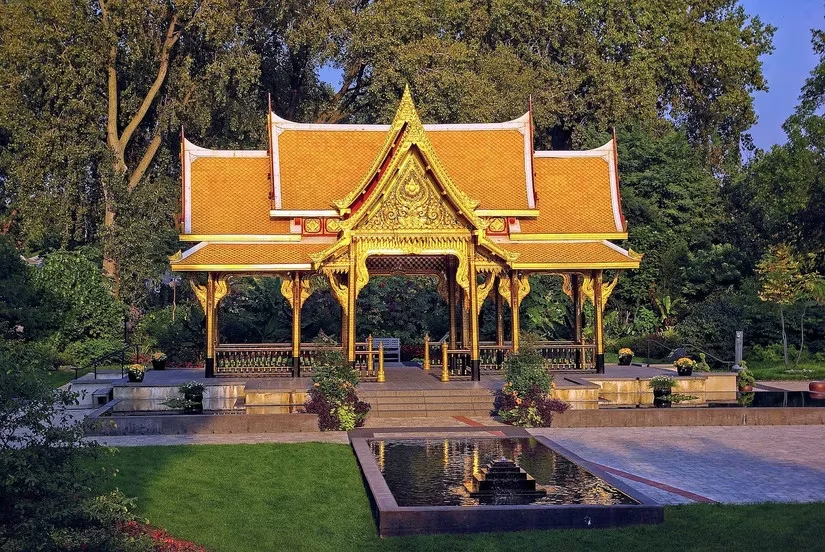
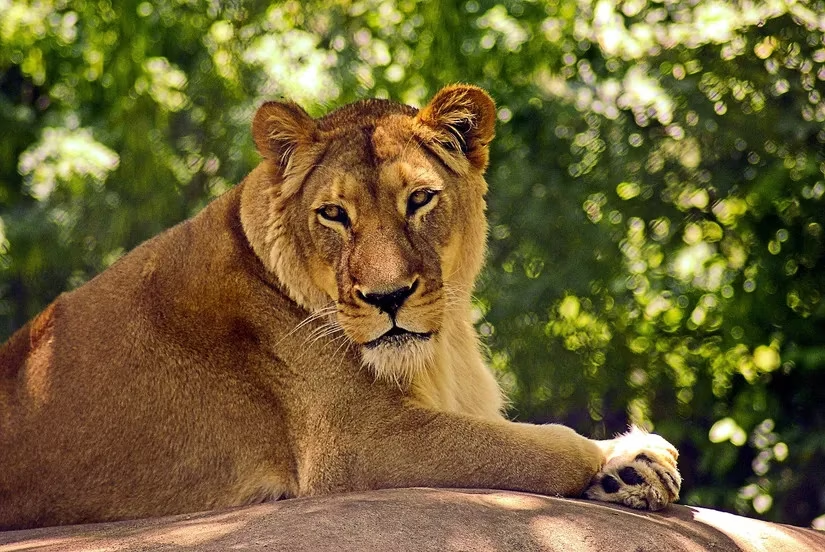
Beyond museums, Olbrich Botanical Gardens on the north bank of Lake Monona spans 16 acres and features 13 outdoor gardens, including the popular Thai Pavilion & Garden. The Bolz Conservatory houses over 650 plants from hundreds of species. Henry Vilas Zoo, located within Henry Vilas Park, is home to more than 600 animals, including endangered species like the Amur tiger, golden lion tamarin, red panda, and white-handed gibbon. Admission is free, though donations are encouraged.
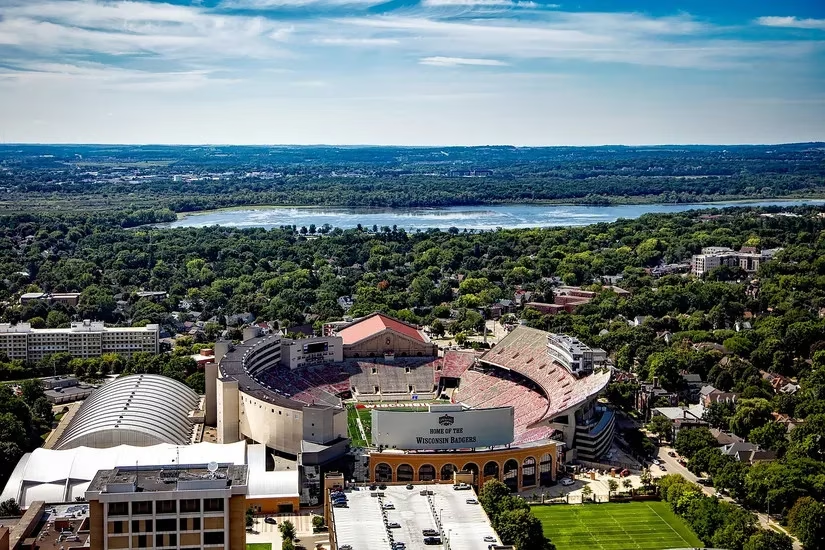
Sports fans should not miss Camp Randall Stadium, one of the largest stadiums in the world with a seating capacity of 80,000. It is the home of the Wisconsin Badgers football team. Tours must be booked in advance.
Outdoor Adventures
The UW–Madison Arboretum is a 1,200-acre park with 17 miles of trails through prairies, woodlands, wetlands, and savannas. It also has three gardens displaying native plants. Admission is free, and the arboretum is open daily from 4 am to 10 pm.
Neighborhoods and Where to Stay
Madison offers a range of accommodations. Below are top picks by neighborhood.
Tenney-Lapham – Next to Lake Mendota, close to Tenney Park and a short walk to the Capitol.
-
AC Hotel by Marriott Madison Downtown: From $350. Amenities: fitness center, bar/lounge, business center.
-
Home in Madison: From $1,152. Amenities: beach access, hot tub, washer/dryer, 400 Mbps internet.
Shorewood Hills – South of Lake Mendota, near UW–Madison.
-
SpringHill Suites by Marriott Madison: From $270. Amenities: indoor pool, bar, fitness center.
-
Best Western PLUS InnTowner Madison: From $140. Amenities: bike rental, cooking classes, ski storage, hot tub, indoor pool.
Dudgeon-Monroe – Home to the arboretum and Henry Vilas Zoo.
-
Super 8 by Wyndham Madison South: From $96. Amenities: hot tub, indoor pool, free parking.
-
House on Water: From $617. Amenities: 3 bedrooms, full kitchen, bicycles.
A Perfect Day in Madison
Start with breakfast at Marigold Kitchen. Then head to the UW–Madison Arboretum for a morning walk. Visit Henry Vilas Zoo and have a picnic at Vilas Park. In the afternoon, take the kids to the Madison Children’s Museum or explore the Geology Museum. Stroll to the Wisconsin State Capitol, then relax at Olbrich Botanical Gardens. End the day with a sunset dinner cruise on Lake Mendota before drinks at a local bar.
Frequently Asked Questions
What is Madison known for?
It is the capital of Wisconsin, known for its five lakes, the State Capitol building, and a vibrant arts and outdoor scene.
Is Madison walkable?
Yes, downtown is very walkable with wide sidewalks. The city has an average walk score of 50.
Does Madison have public transportation?
Yes, Metro Transit operates buses daily on most routes.
With its unique blend of lakes, culture, and year-round activities, Madison remains one of the Midwest’s most compelling destinations in 2026.