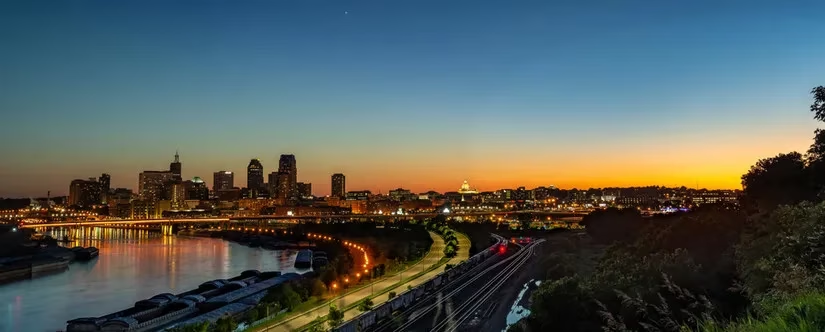
I arrived in St. Paul on a warm June afternoon in 2026, expecting the quiet capital I had read about, but within an hour the city had already reshaped my assumptions. The light rail from Minneapolis deposited me at Union Depot, and as I walked toward downtown, I could feel the Mississippi River just a few blocks away. St. Paul might not shout like Minneapolis, but it whispers in a way that makes you lean in.
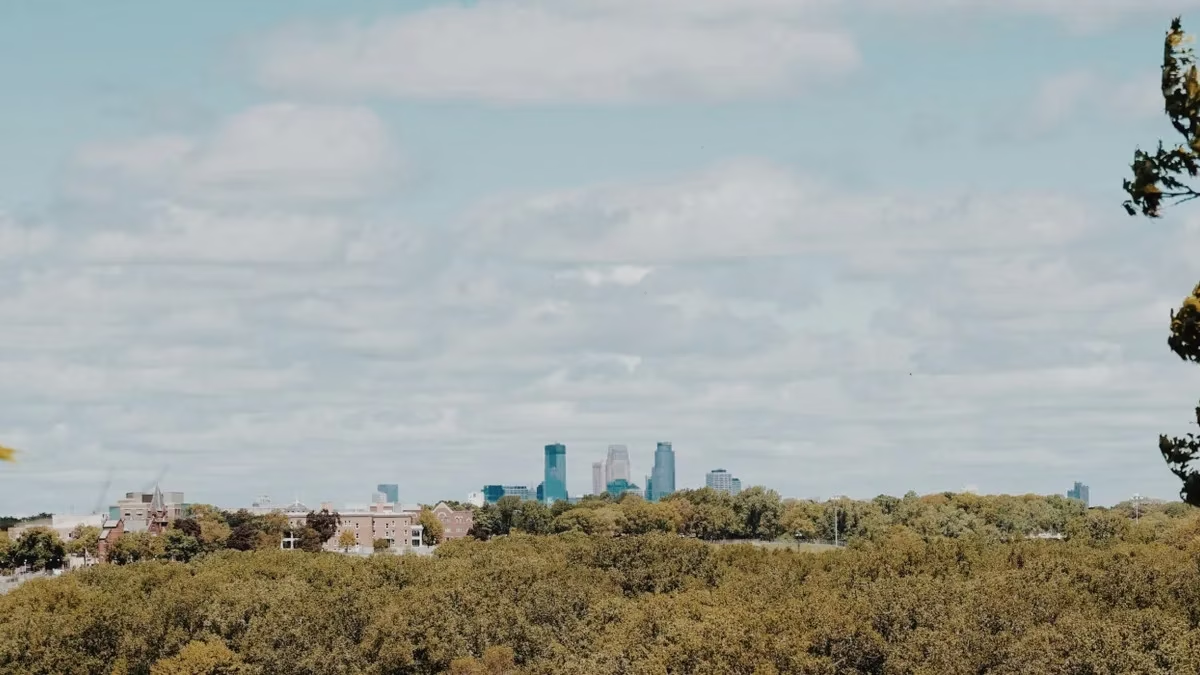
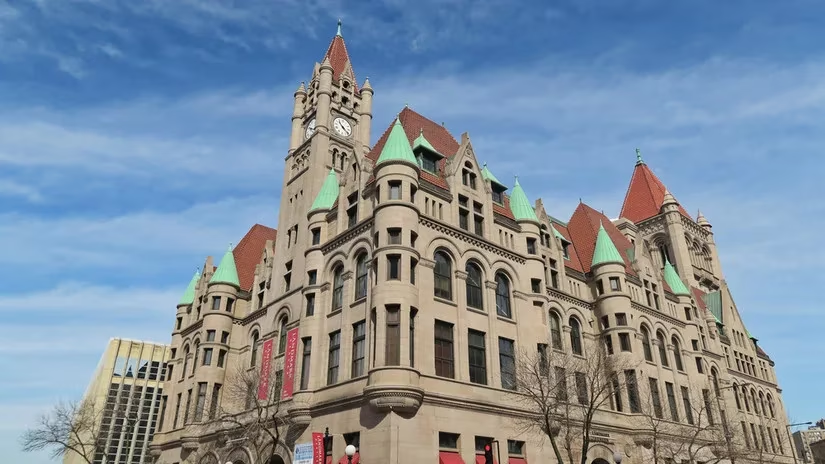
I had come to the eastern half of the Twin Cities because I wanted a capital with history, green space, and a slower pace. Saint Paul has a population of just over 300,000, and it wears that size well. The downtown skyline reflects off the river, and the famous Skyway System lets you wander through heated, enclosed walkways when the weather turns. On my first afternoon, I used those skyways to dodge a short summer downpour and ended up at Rice Park, where the Landmark Center glowed in the late light.
First Impressions and the Lay of the Land
What surprised me most was how pedestrian-friendly St. Paul felt. I rented a car later in the trip, but for the first two days I walked almost everywhere. Metro Transit buses and light rail made it easy to reach the airport corridor and Minneapolis, but the city itself encouraged slow movement. The downtown area, with its mix of government buildings, brewpubs, and tree-lined streets, seemed built for wandering. St. Paul's 17 distinct neighborhoods each carried a different identity, from the historic mansions of Summit Hill to the quiet, leafy streets of Como.
Choosing a Home Base
I spent my first night at the Saint Paul Hotel in downtown, which felt like a classic capital-city stay. The address on Market Street put me within walking distance of the Mississippi riverfront and the Xcel Energy Center. A friend later moved me to Como, where I woke up near Como Lake and walked to the Como Park Zoo and Conservatory before breakfast. If I had been traveling with a bigger group, I would have looked at the Drury Plaza or Country Inn and Suites options, but for a solo trip downtown was perfect.
| Neighborhood | Vibe | Good For |
|---|---|---|
| Downtown | Urban energy with small-town charm | First-time visitors, dining, entertainment |
| Como | Quiet, green, residential | Zoo lovers, families, open-space seekers |
| West Seventh | Historic and highbrow | History buffs, architecture fans |
Eating Well in the Capital
The food scene quickly became one of my favorite parts of the trip. One morning I slipped into The Buttered Tin on 7th Street and ordered ricotta pancakes that I still think about. For lunch, Cafe Latte on Grand Avenue blew me away because it is really three restaurants in one: a gourmet cafeteria, a bakery, and a wine bar. I grabbed a slice of turtle cake that was dangerously good. For a fancier dinner, Meritage served French food with modern polish. The creme brulee and smoked mushrooms were memorable, and the room felt warm and bright. At night, The Happy Gnome on Selby Avenue became my go-to. With more than 70 beers on tap, it was where I met locals and traded stories about the day.
I also joined the Historic Downtown St. Paul Food Tour, which paired local history with bites. The Saint Paul Skyway Food Tour is next on my list for another visit.
Landmarks That Stayed With Me
I started my sightseeing at the Minnesota State Capitol. The Beaux-Arts building is 220 feet tall, surrounded by gardens, and inside more than 60 murals tell the state's story.
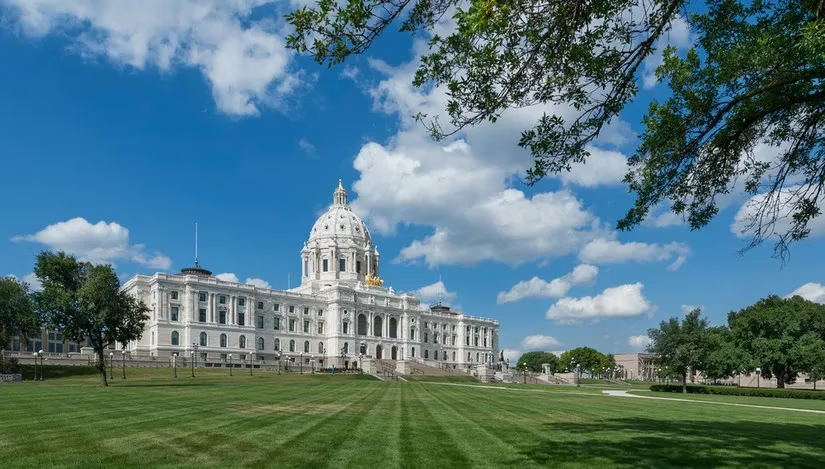
A short walk away, the Cathedral of Saint Paul rose 300 feet above the city, its copper dome visible for miles. I visited the James J. Hill House and admired the Victorian grandeur, then wandered through the Minnesota History Center, which displayed more than a million objects touching on Native American heritage, the Civil War, and coal mining.
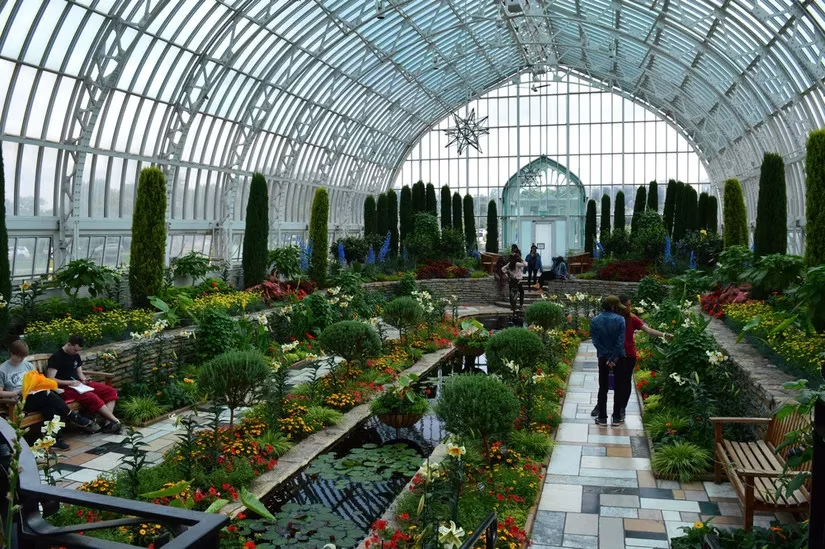
At the Como Park Zoo and Conservatory, I saw the Sunken Garden, butterfly displays, and rare animals such as polar bears, Siberian tigers, and gorillas. Admission was free, which made it even better. I also stopped by the Science Museum of Minnesota and wished I had another afternoon for the interactive exhibits.
Tours That Added a Little Mystery
St. Paul has a wicked sense of humor about its gangster past. The St. Paul Gangster Tour took me back to the 1930s, when bootlegging and prohibition-era crime shaped the city. The Historic Cave Tour led through old mines and caves that later became criminal hideouts. For a spookier edge, I joined the Ghostly Private Tour of St. Paul, which started at the Old Revenue Building. The Complete St. Paul Walking Tour was the best introduction, though, because it connected Summit Avenue, the Capitol, and the hidden caves into one coherent story.
A One-Day St. Paul Itinerary
If I had only one day to do it all again, I would follow this plan:
-
Morning: Stroll Summit Avenue, visit the Cathedral of Saint Paul, then explore the Science Museum of Minnesota.
-
Midday: Walk through Lowertown, eat something quick, and bike along the Mississippi River. Stop by Harriet Island Regional Park or the Wabasha Street Caves.
-
Afternoon: Spend time at Como Park Zoo and Conservatory.
-
Evening: End at The Happy Gnome on Selby Avenue for dinner, local beer, and conversation.
| Season | Best For |
|---|---|
| Summer | Festivals, boating, hiking, warm weather |
| Fall | Colorful foliage and fewer crowds |
| Winter | Winter Carnival and skyway exploring |
| Spring | Bike trails and returning green spaces |
Final Thoughts
St. Paul is significantly cheaper to live in than Minneapolis, and for me it delivered more than its bigger sibling often promises. A standard home costs well under the state average, and the city's walkable core made the trip feel effortless. After days of landmarks, food, caves, and river views, I understood why locals call it The City of Neighborhoods. My 2026 visit convinced me that St. Paul is not just a side trip to Minneapolis, but a capital worth savoring on its own.