
As I pen these words in the crisp dawn of 2025, the world around me feels heavy with loss, a silent specter of avian flu—H5N1, they call it—still haunting the sanctuaries we built to protect Earth's most vulnerable creatures. I remember last year, 2024, when the virus tore through cattle farms and dairies, its ghostly presence even tainting raw milk in Fresno, California, a cruel reminder of how fragile our ecosystems have become. But now, my soul trembles not for the milk or the mundane; it weeps for the endangered souls in zoos across America, their fragile lives snuffed out by this invisible invader. Oh, the irony—places of refuge turned into tombs, where birds I never knew could carry such death drop their poisoned gifts, and I can only watch, helpless, as extinction's shadow looms ever closer.
Last November, the news from Woodland Park Zoo in Seattle struck me like a cold blade: a red-breasted goose, gone, its vibrant plumage dulled forever by H5N1. Zoo officials scrambled, enacting precautions, but what good are walls against the wind? Then December arrived, and San Francisco Zoo closed its aviaries after a wild hawk—not even a 'zoo animal'—fell victim, testing positive. My mind raced with images: that hawk, free yet bound by fate, its wings clipped not by cages but by contagion. And oh, the Wildlife World Zoo near Phoenix—where my heart truly shattered. Five animals, each a jewel of endangerment, perished: a cheetah, swift and proud; a mountain lion, silent guardian of the wild; a swamphen; a kookaburra; and an Indian goose. All gone, their stories cut short by this relentless flu.
But amidst the sorrow, a flicker of hope—a white tiger, exotic and endangered, fought back. 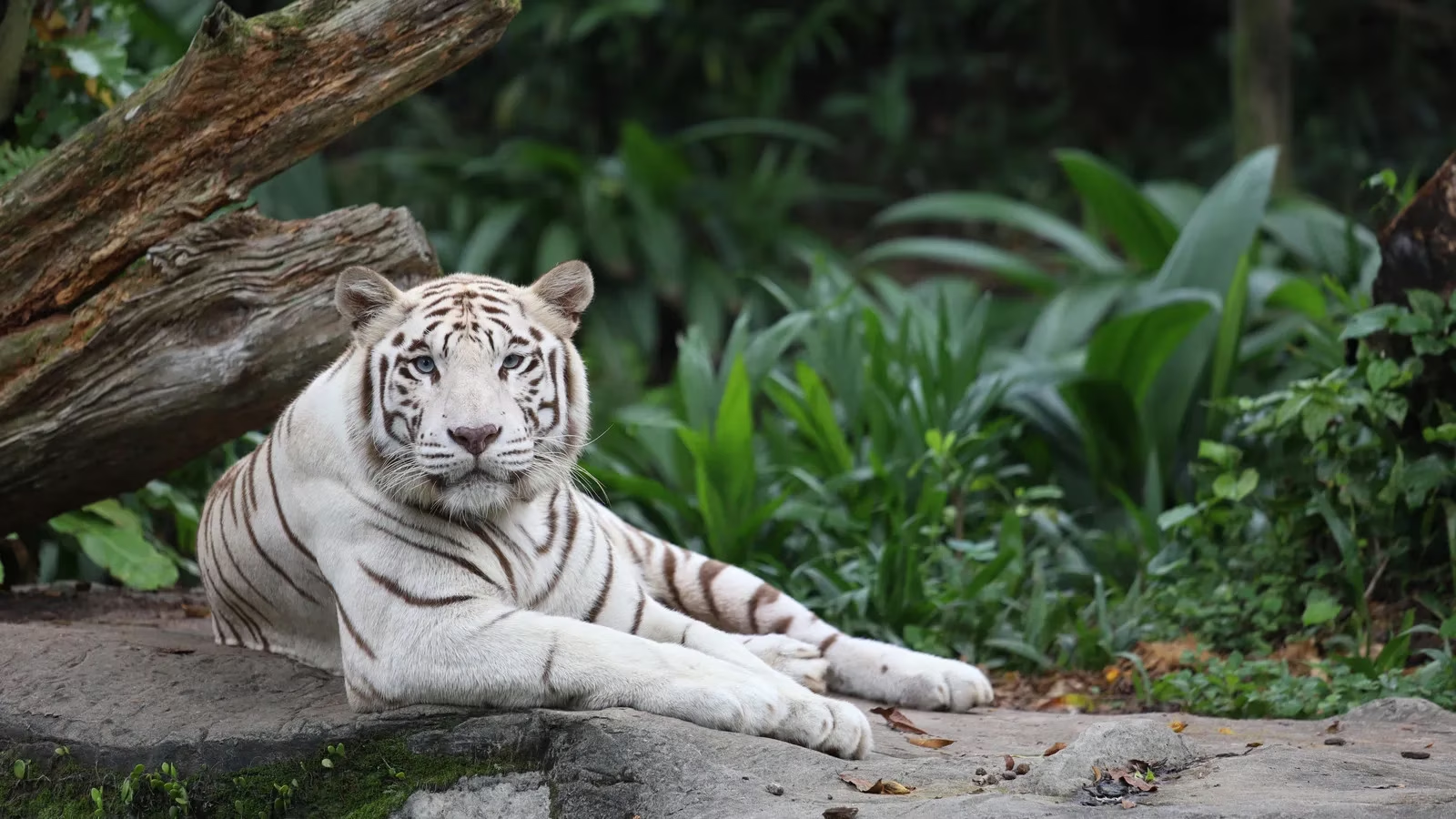 I saw photos of this majestic beast, weakened but alive, saved by swift medication. It's a bittersweet victory; that tiger's survival feels like a small rebellion against the darkness, yet I can't shake the guilt—why did others have to die? Virologists whisper that wild birds, flitting in and out, spread the virus through their droppings, a natural cycle turned deadly. 😢 The proximity in zoos terrifies me; one infected soul can ignite a wildfire among kin, as it did in 2020 when millions perished globally. Now, in 2025, I feel the weight of history repeating.
As I reflect, I'm struck by the disparities in our defenses. Across the pond, in the UK and Europe, they arm their zoos with licensed vaccines—a shield against the storm. But here in the US, we're forbidden, trapped in a cruel limbo where policy outweighs compassion. It angers me! 😠 Why must we sacrifice more lives to bureaucracy? I've compiled the stark contrast:
| Region | Vaccine Use for Zoo Animals | Impact on Deaths |
|---|---|---|
| UK & Europe | Permitted | Reduced cases |
| United States | Not Permitted | Rising tragedies |
This table haunts me; it's not just data, it's a ledger of loss. My personal journey through this crisis has been one of sorrow and introspection—I dream of wandering zoos, not as a visitor, but as a witness to resilience, only to find emptiness where life once thrived. The deaths of these animals aren't mere statistics; they're echoes of a planet crying out.
Looking ahead, my heart dares to hope for 2026. I envision a future where global unity blossoms, where the US embraces vaccines, and we see:
-
🕊️ International collaborations to monitor wild bird migrations
-
🌿 Enhanced zoo protocols with AI-driven early detection systems
-
❤️ Community-driven initiatives to protect endangered species
This is my fervent wish—a world where we learn from 2025's pain and build sanctuaries of true safety. For now, though, I grieve, my words a lament for the fallen, as I stand in the quiet of this new year, praying for the roar of life to return.