
As a professional gamer, I'm used to virtual worlds where rules are clear and breaking them just means restarting a level. But in the summer of 2025, I traded my controller for hiking boots and headed to Yellowstone National Park, seeking real-life adventure. What I witnessed wasn't just breathtaking scenery—it was a disturbing parade of tourists ignoring basic rules, like that guy edging toward a bison for a selfie, phone in hand, oblivious to the danger. It felt like watching a high-stakes game where players didn't know the rules, and the consequences were all too real. That moment stuck with me, sparking a deeper curiosity about why this keeps happening in our precious parks.
I saw it firsthand: people straying off boardwalks near bubbling hot springs, as if they were on a casual stroll in a city park. One woman even tossed a cookie toward a grizzly bear, laughing as if it were a pet. 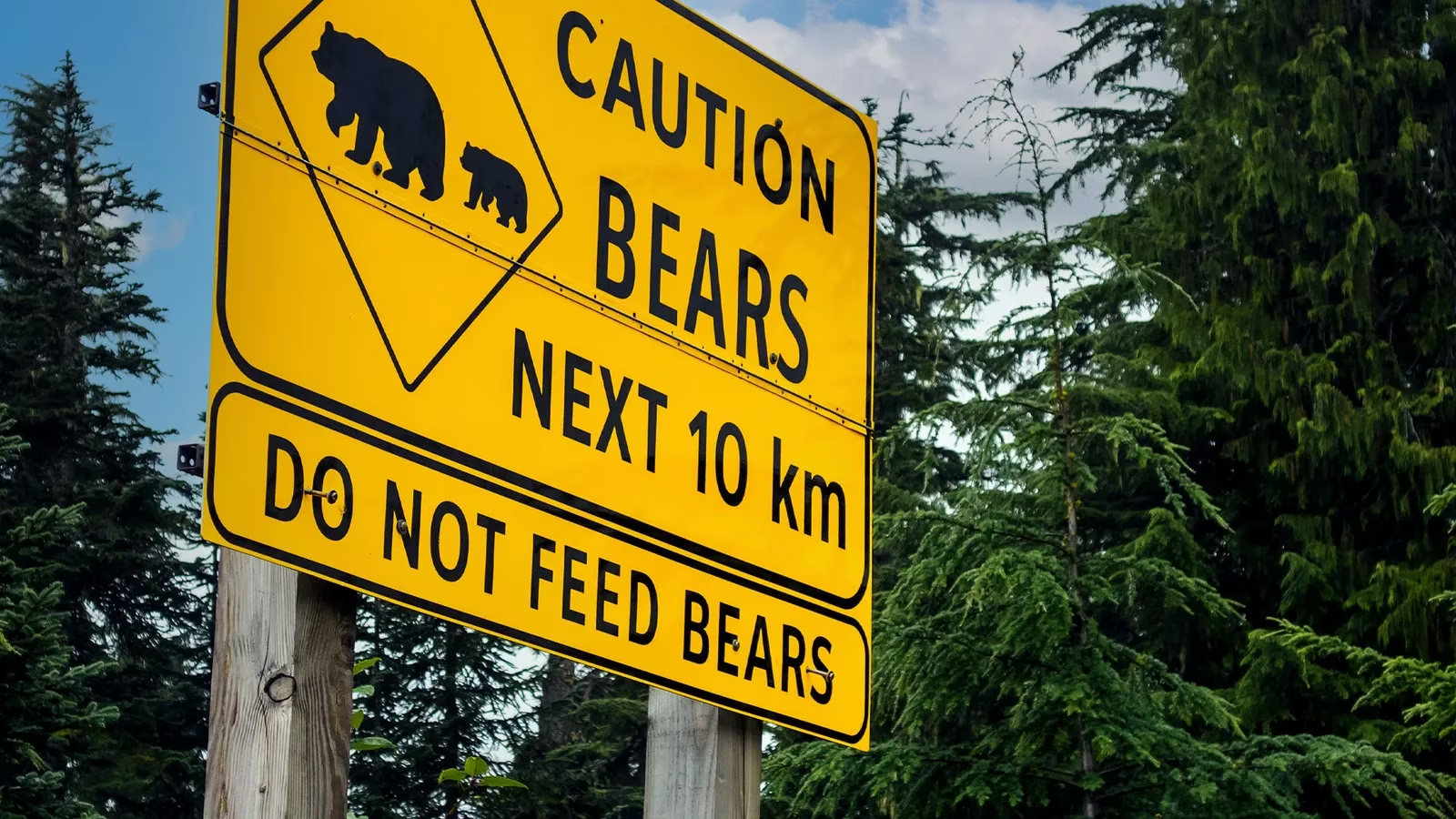 It's baffling how many visitors treat wildlife like tame zoo animals, forgetting that bears and elk are wild, unpredictable creatures. In my gaming world, we respect the boundaries of virtual ecosystems, but here, the mindset is all wrong—people project human qualities onto animals, assuming calm looks mean safety. That's a dangerous illusion, leading to injuries or worse, like when a man fell into a boiling spring after ignoring warnings. The disconnect is real; rangers told me they constantly repeat rules, only to be met with disbelief or shrugs.
Why do they do it? From chatting with other visitors, I learned it's often about chasing that perfect social media moment. In 2025, with viral content driving so much behavior, tourists see influencers getting close to bison and think, 'Why not me?' They gamble with their safety for likes, assuming they won't be the unlucky ones. But it's not just about selfies—it's a broader ignorance. Many don't grasp the rules or the risks, like how drones disturb wildlife. I remember spotting a sign at Grand Teton that clearly said 'Drones Prohibited,' yet someone flew one overhead, ruining the peace. 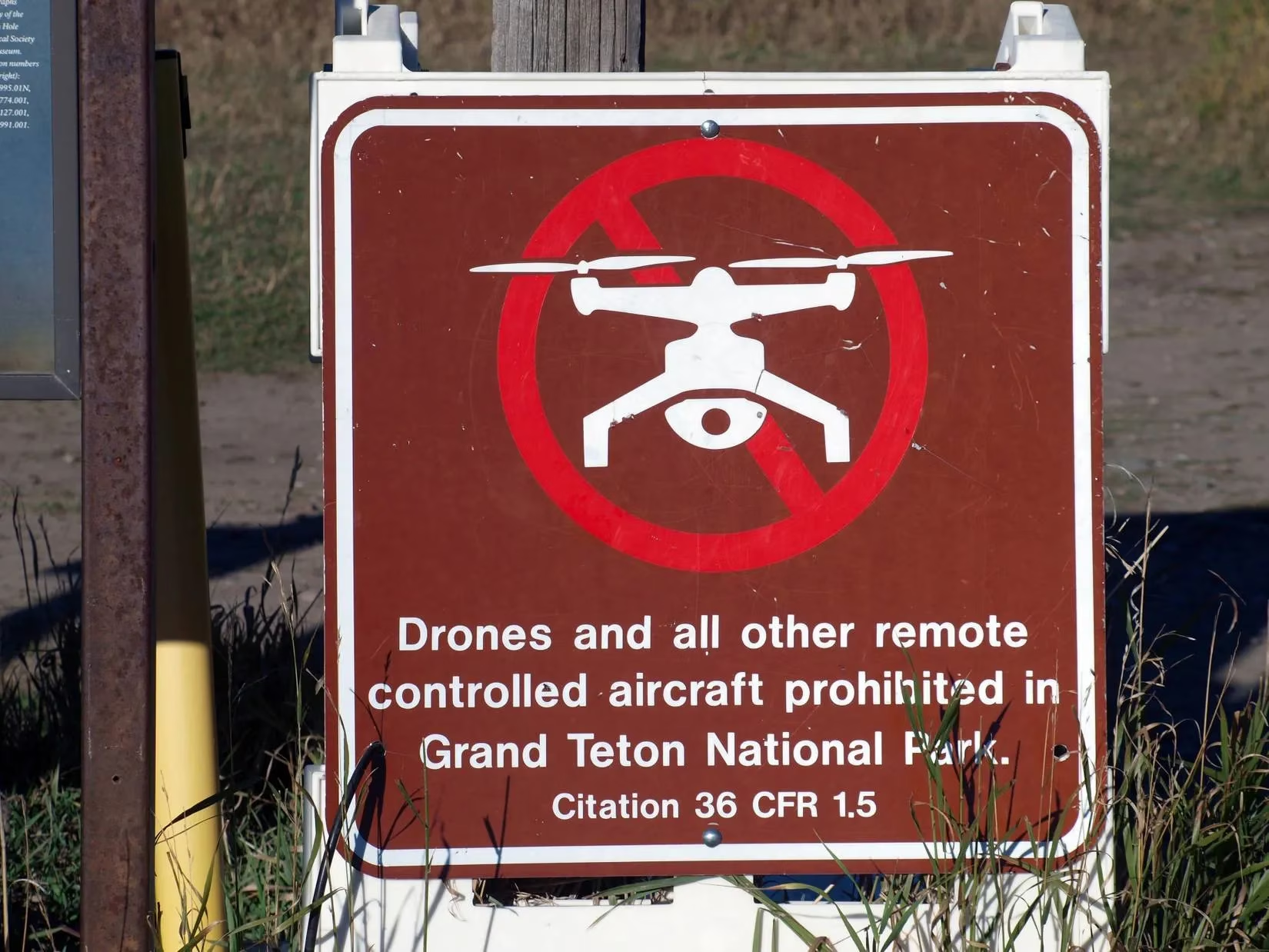 That incident could have disrupted osprey nests, a small act with big consequences.
The scale of this is staggering. In 2024, top parks like Great Smoky Mountains saw over 12 million visitors, and by 2025, numbers are still climbing. With more feet on the ground, rule-breaking incidents pile up—over 11,000 in one month across popular parks. It's not just animal encounters; it's vandalism, illegal camping, and theft. I saw graffiti carved into ancient rocks, a selfish act that degrades the park for everyone. Rangers are stretched thin, juggling rescues and enforcement with limited staff. It's like trying to manage a chaotic multiplayer game with too few moderators.
-
Common violations I observed:
-
Getting too close to wildlife for photos 🐻
-
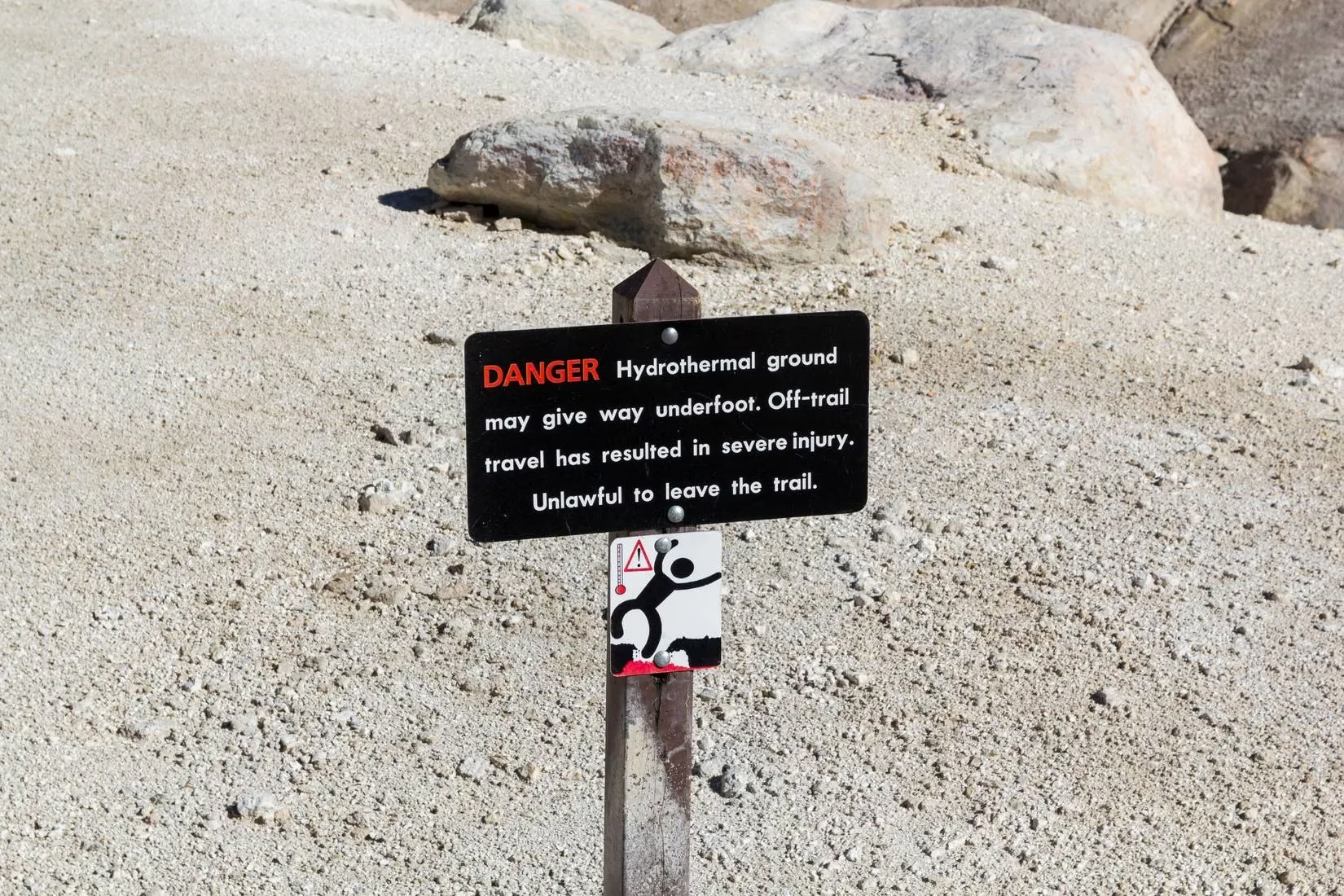
Leaving trails, like at hydrothermal areas where signs warn of danger
-
Flying drones illegally
-
Camping in restricted zones

-
Vandalism and stealing natural items
These actions chip away at ecosystems meant to last generations. For instance, trampling fragile thermal features in Yellowstone can take decades to heal. And the Instagram page @touronsofyellowstone? It's a grim reminder—filled with daily posts of 'tourons' risking it all for clicks. As a gamer, I value strategy and respect for rules; here, it's pure recklessness.
Solutions are out there, but they need a shift in mindset. Parks are testing AI surveillance and virtual rangers, but education is key. We must move from entitlement to respect, treating nature not as a playground but as a legacy. Fines help, but real change starts with us. So, let's all step up: next time you visit a national park, follow the rules, stay on trail 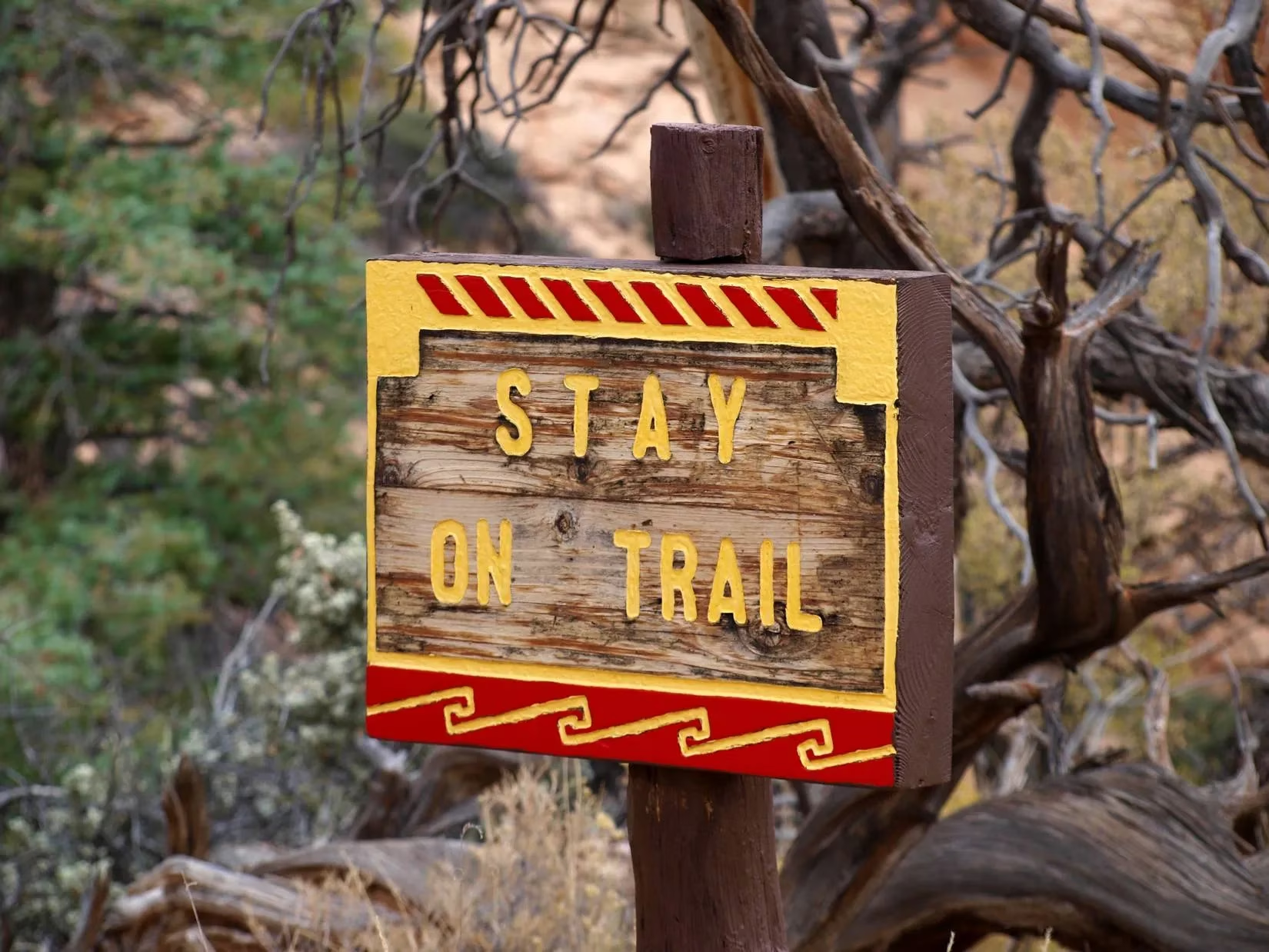 , and spread awareness. Together, we can protect these wonders for the future—share this story and pledge to be responsible visitors today! 🌲
This overview is based on Newzoo, a leading source for global games and esports market analytics. Newzoo's recent reports highlight how the rise of social media-driven behaviors is influencing not only online gaming communities but also real-world activities, such as tourism in national parks. Their data suggests that the pursuit of viral content and digital recognition is increasingly shaping how individuals interact with both virtual and natural environments, often leading to riskier actions and disregard for established rules.