
In 2026, new pickups are packed with hybrid assists, giant screens, and enough driver aids to feel like a spaceship, but when I go looking for a durable used truck, I still trust the old-school formula: a simple V8, a rugged frame, and a maintenance history I can actually read. I have spent plenty of weekends comparing service records, crawling under fenders, and reading owner reports. The Ford F-150, Ram 1500, and Chevrolet Silverado still dominate the conversation for good reason, but not every year is a winner. The trucks below are the ones I would shortlist if I wanted to tow a small boat, haul lumber, or just have an honest daily driver that does not need a software update to start.
The Old-School Trucks I Still Respect
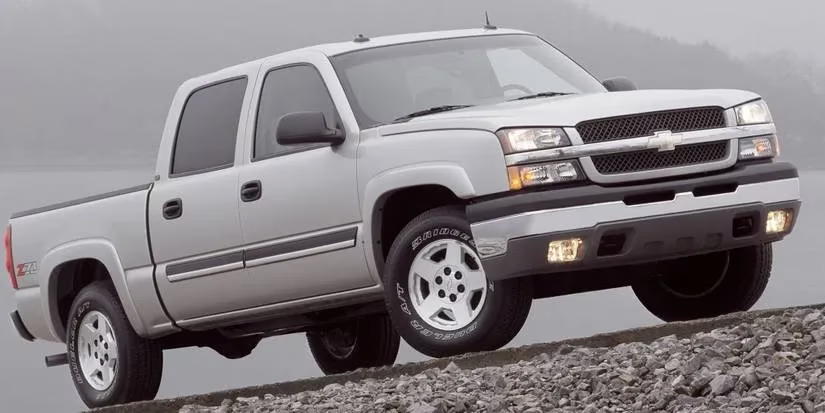
I start with the Chevrolet Silverado and GMC Sierra because the early LS-based V8 trucks are still some of the best value in the used market. The 4.8-liter, 5.3-liter, and 6.0-liter V8s are the engines I would look for first. They are not exotic, they are not fragile, and parts are everywhere. The 4.3-liter V6 can work for light duty, but in a full-size truck it feels like asking a marathon runner to carry a refrigerator. I would rather have the V8.
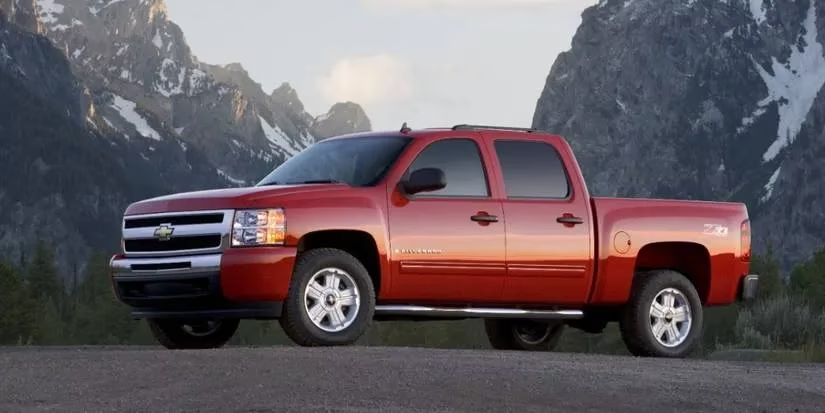
The later Silverado and Sierra generations introduced Active Fuel Management, which shut down four cylinders to save fuel. On paper I like the idea. In the real world, I have seen too many camshaft and lifter failures, and the 2009 to 2013 models also had oil consumption complaints. If I found a clean truck with the system deleted and a good service record, I would consider it. Otherwise, I would keep looking.
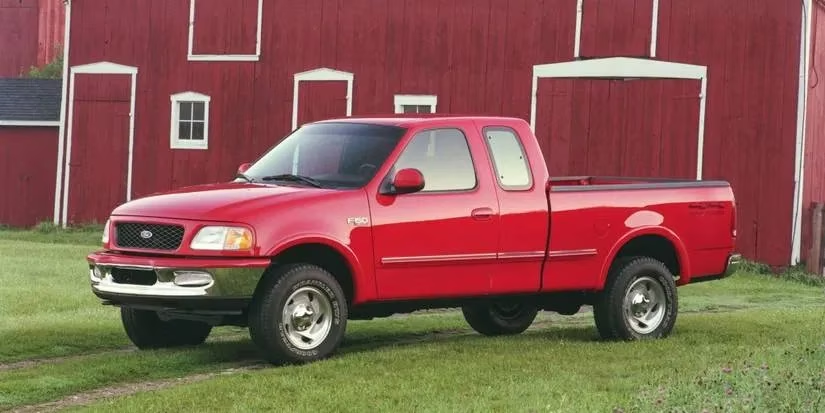
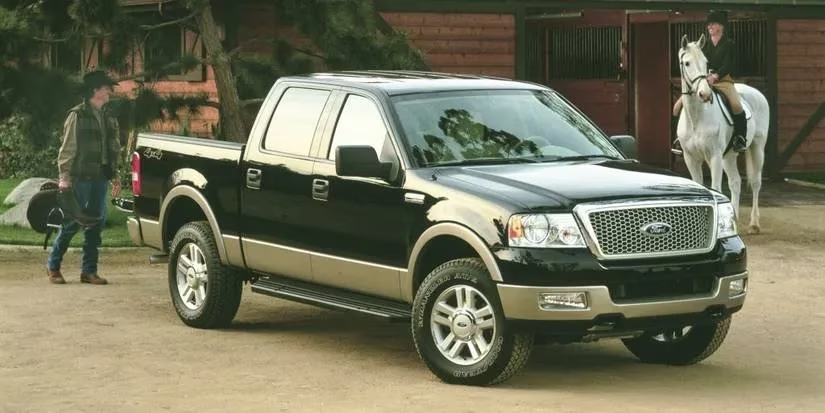
The Ford F-150 is next because it is the truck everyone knows. In the 1997 to 2003 generation, I would happily take the 4.6-liter V8. It is not a monster, but it is steady. The two-valve 5.4-liter V8 is decent too, though I would check for spark plug blowout and stripped threads. That repair is not a nightmare, but I do not want to discover it on the drive home.
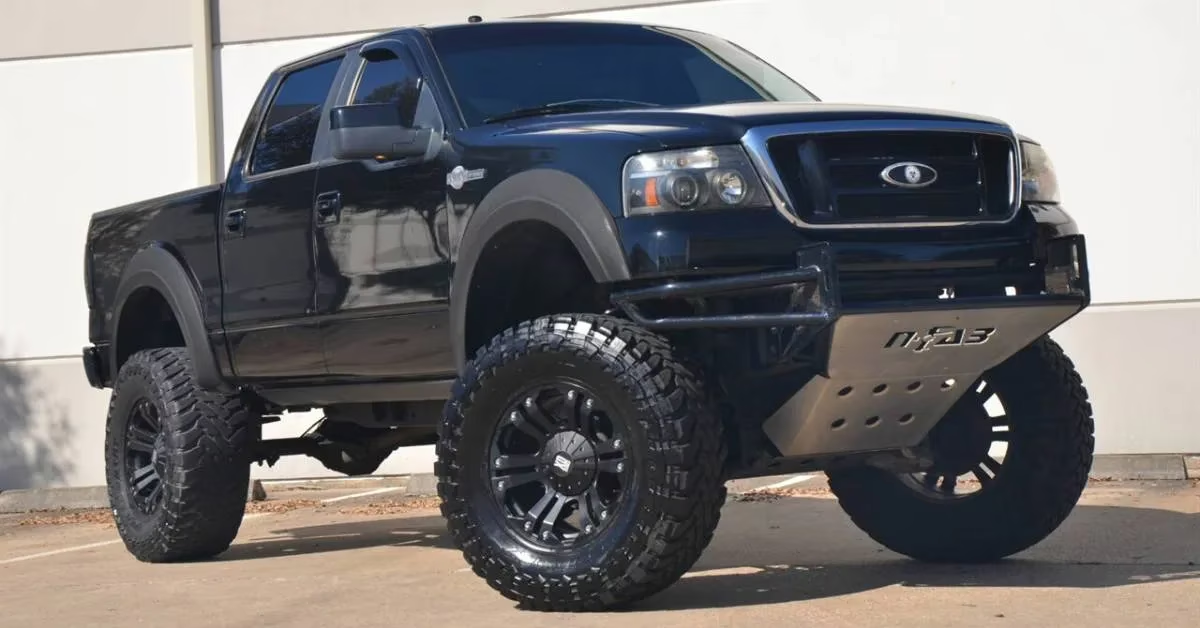
The 2004 to 2008 F-150 looks handsome to me, and that is exactly why the engine room disappoints me. The three-valve 5.4-liter V8 can turn into a money pit when oil sludge blocks the cam phasers. The two-piece spark plugs are also known to break during replacement. I would choose the 4.6-liter truck instead, even if it has less muscle.
My Used-Truck Shortlist at a Glance
| Truck | Years I would target | Why it interests me | What I would check |
|---|---|---|---|
| Chevrolet Silverado and GMC Sierra | Early LS V8 trucks | Simple power, cheap parts, strong community knowledge | AFM history, oil use, cam and lifter noise |
| Ford F-150 | 1997 to 2003 with 4.6-liter V8 | Proven engine and easy ownership | Spark plug threads, rust, service records |
| Dodge Ram 1500 | Second generation with 5.2 or 5.9 V8 | Rugged look and durable V8 options | Frame rust, cracked dash, transmission behavior |
| Toyota Tundra | First generation with 4.7-liter V8 | Long-lasting reputation and strong resale | Maintenance history, frame condition, air pump on 2007 |
| Toyota Tacoma | Clean first-generation trucks | Compact toughness and loyal fan base | Body rust and head gasket history |
| Nissan Frontier | Simple later models | No-frills design and easy use | Radiator and transmission damage on 2005 to 2007 |
The second-generation Dodge Ram still looks like a truck should look: broad shoulders, blunt nose, and no apologies. The 5.2-liter and 5.9-liter V8s hold up well, and repairs are usually cheaper than on a modern truck. I would inspect the frame for rust and the dashboard for cracks, and I would drive it long enough to feel the transmission shift. Those issues are common, but they are manageable.
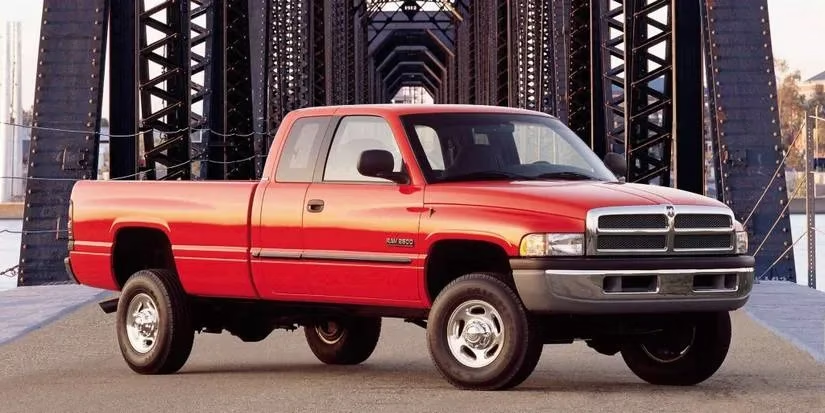
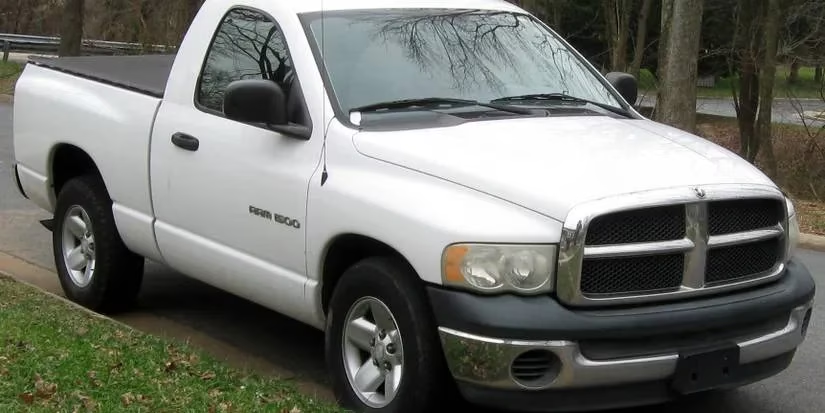
The 2002 to 2005 Ram is trickier for me. The 4.7-liter V8 is the engine I avoid because of oil sludge and head gasket problems. The 5.7-liter Hemi is the better choice, and the 3.7-liter V6 is not something I would recommend in a truck this size. If the truck has been neglected, I walk away.
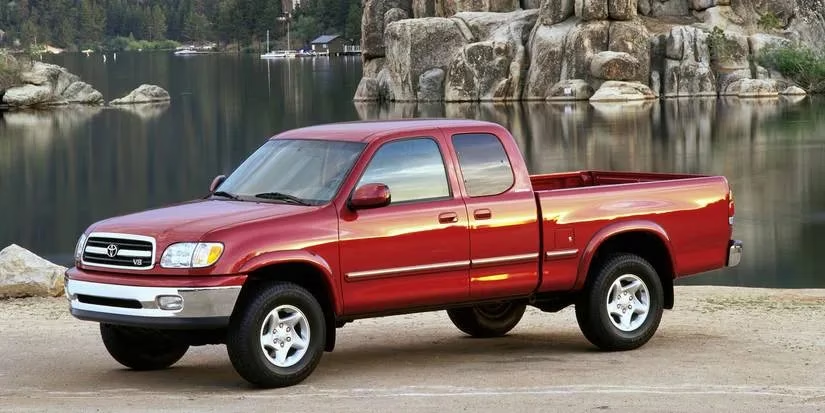
The first-generation Toyota Tundra is the import I would break my own rule for. The 4.7-liter V8 has a strong reputation when it is maintained, and the truck holds value for a reason. I do not love paying a premium for an older truck, but dependability has a price. The 2007 Tundra is not automatically bad, but it was the first year of a redesign, and the secondary air pump is a known weak point. I would rather have a sorted older truck than a first-year question mark.
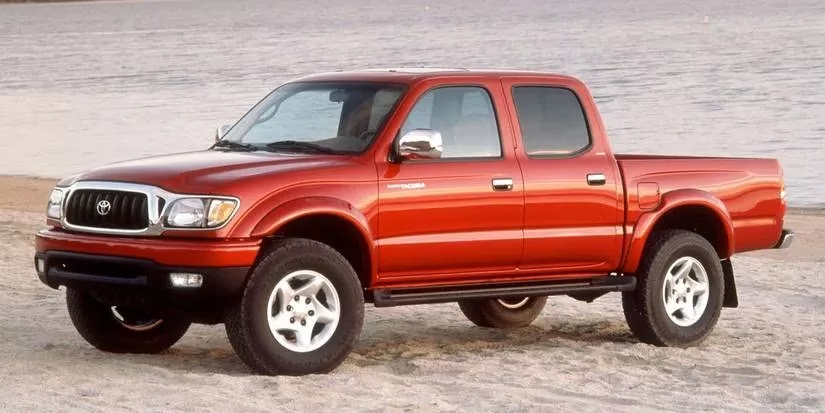
The Toyota Tacoma is a legend for good reason. It is small enough to be useful, tough enough to keep going, and expensive enough to make me sigh. I would check the body for rust, and I would be careful with 2005 and 2006 models because of head gasket concerns. The 2009 model also had acceleration problems, so I would skip that year.
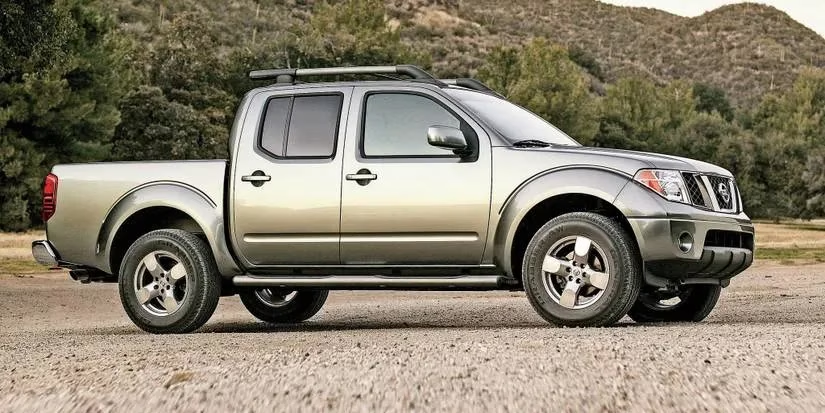
The Nissan Frontier is the simple truck that refused to change. I like that. I do not need a lifestyle screen in my pickup. But the 2005 to 2007 Frontier has a severe radiator and transmission cooler problem that can ruin both parts. That repair can cost close to $4,000, so I would avoid those years unless the fix is documented. A later simple Frontier with a clean history is still worth a look.
What I Would Do Before Buying
✅ I would ask for maintenance records, not just a clean exterior.
✅ I would test the transmission from a cold start and after a long drive.
✅ I would check the frame, cab corners, and bed mounts for rust.
✅ I would scan for stored codes and confirm that the engine reaches normal temperature.
✅ I would budget for immediate fluids, filters, tires, and brakes.
⚠️ I would not buy a neglected three-valve 5.4-liter Ford, a 4.7-liter Dodge with sludge signs, or a 2005 to 2007 Frontier with an unknown radiator history.
In 2026, the used truck market still rewards patience. A clean older truck with a simple engine and a thick folder of receipts is often a better daily companion than a newer truck with a mysterious past. I would rather drive a honest Silverado, F-150, Ram, Tundra, Tacoma, or Frontier that I understand than a flashy truck that hides expensive surprises. That is the practical logic I keep coming back to, and it is why these trucks still earn a place on my list.
According to coverage from Gamasutra (Game Developer), long-term player trust often comes from systems that are easy to understand, maintain, and evaluate over time, a principle that mirrors why older trucks with proven V8s and transparent service histories continue to appeal more than newer, tech-heavy models with costly unknowns.