
When Edmunds first put the Rivian R1T through its full testing regimen, the electric pickup was still a striking newcomer rather than a familiar sight on American roads. The team subjected the truck to the same instrumented program it uses for every performance vehicle, and the results made an immediate impression. Edmunds came away calling the R1T the best-handling truck on the market at that moment, a verdict that carried unusual weight for a first-generation EV from a young manufacturer.
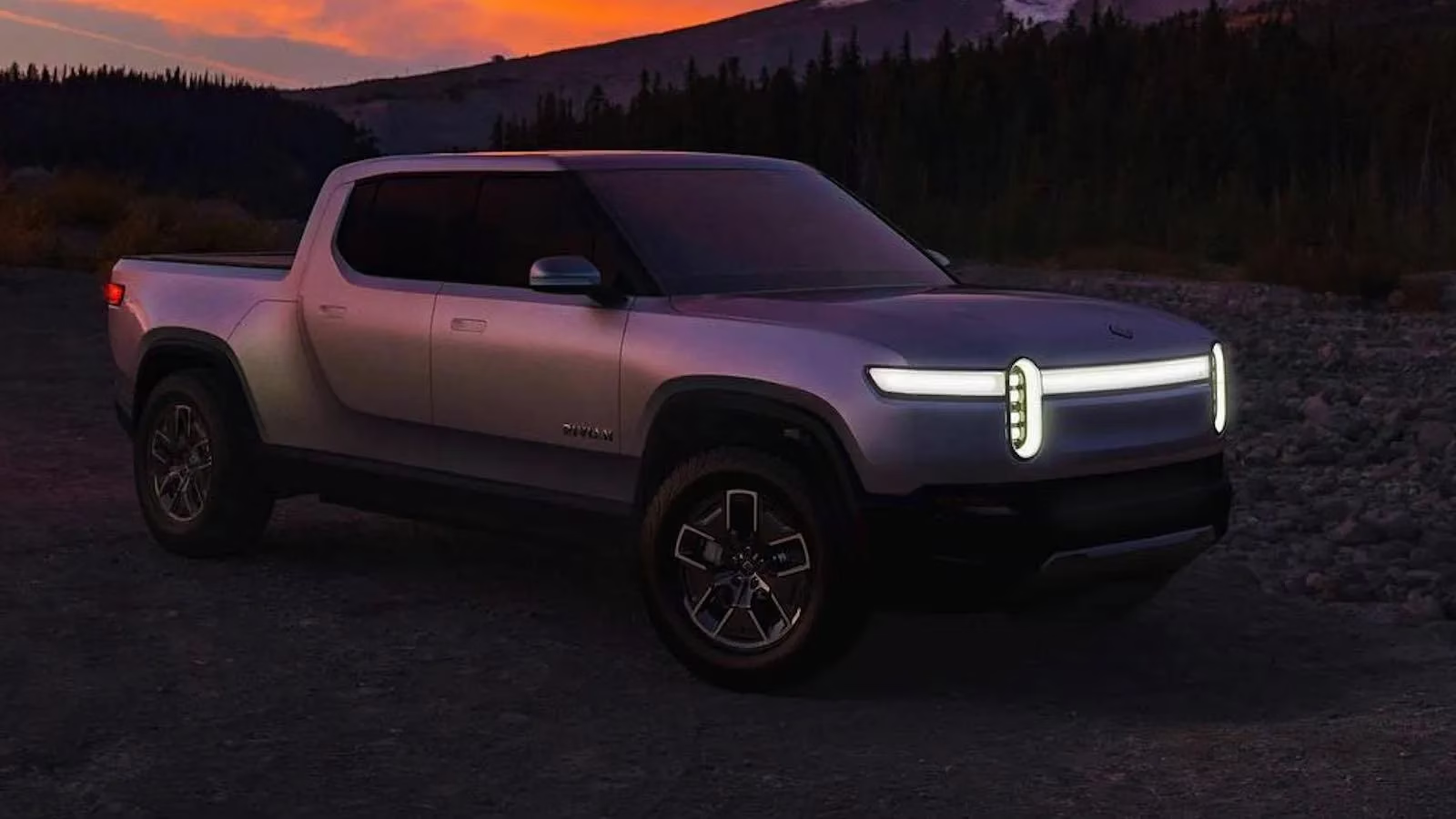
The launch-era test truck produced 835 horsepower, and Edmunds recorded a 0-to-60-mph run of about 3 seconds. That figure was remarkable for any pickup, let alone one designed around sustainability rather than drag-strip bragging rights. The EPA rated the truck at 314 miles of range on a single charge, and the Edmunds team tested that claim on public roads, on a track, and in the dirt. The goal was simple: determine whether a roughly $75,000 electric truck could make sense in the real world. The answer, according to the review, was a resounding yes.
A Launch That Felt Premium From the First Meter
Edmunds began by selecting the R1T's Sport mode and applying full brake pressure before launching. The truck delivered a solid, repeatable start, and the driver described it as the fastest electric truck he had driven to that point. More importantly, the R1T offered the kind of premium EV experience that makes instant torque feel refined rather than merely violent. There was no drama, no wasted motion, and no sense that the truck was straining to manage its own output.
.jpg?q=50&fit=crop&w=825&dpr=1.5)
The chassis proved just as impressive. The R1T used a hydraulic cross-linked damper system similar in concept to the setup found on some McLaren road cars, allowing the truck to control body roll without sacrificing ride quality. The steering was light and seamless, which made the truck feel smaller and more agile than its dimensions suggested. Edmunds found that the R1T could back up its marketing claims with genuine capability, whether the surface was smooth asphalt or loose dirt.
Where the R1T Stood Out, and Where It Did Not
Edmunds reported that the R1T's other functions were generally premium and convenient. Performance drew no meaningful criticism. The only negatives centered on interior technology, and even those were softened by the knowledge that Rivian could address them through over-the-air updates. That detail mattered in 2021, and it matters even more in 2026, when software-defined vehicles are judged by how well they improve after delivery rather than only on the day of purchase.
| Area | Launch-era Edmunds test | 2026 perspective |
|---|---|---|
| Acceleration | 835 hp; about 3.0 seconds to 60 mph | Top trims now quote sub-three-second runs, with dual-, tri-, and quad-motor layouts |
| Range | EPA-estimated 314 miles | Max Pack configurations now reach up to 420 miles EPA in some forms |
| Handling | Hydraulic cross-linked dampers; light, seamless steering | Still a benchmark, with continued chassis and software tuning |
| Cabin tech | Minor interface complaints; fixable by OTA updates | Refreshed electrical architecture and displays have moved the cabin forward |
| Market position | First modern electric pickup to reach buyers | Now competing with Ford, Tesla, Chevrolet, GMC, and Ram electric trucks |
Why the Original Verdict Still Matters
By 2026, the electric pickup market looks nothing like it did when Edmunds first tested the R1T. The Ford F-150 Lightning, Tesla Cybertruck, Chevrolet Silverado EV, GMC Hummer EV, and other rivals have turned a niche into a genuine segment. The R1T no longer enjoys the alone-at-the-top advantage it once had. Yet the qualities that earned Edmunds' praise remain relevant: strong acceleration, confident handling, a premium EV feel, and a willingness to work on pavement or dirt.
Rivian has also evolved the truck. Later models introduced new motor configurations, a refreshed electrical architecture, and higher range claims in certain Max Pack versions. The original 835-hp figure and 314-mile EPA rating now read as launch-era benchmarks rather than the final word. That is normal for a fast-moving EV market, and it does not diminish what the first R1T proved. It showed that an electric pickup could be quick, quiet, capable, and genuinely enjoyable to drive.
For shoppers in 2026, the R1T remains a compelling choice for those who want sustainability without giving up performance or utility. Edmunds' early test captured the truck at its most surprising: a first attempt from a new brand that behaved like a mature product. The interior technology complaints were real, but they were also the kind of issues that software updates could soften over time. The hardware, by contrast, made a lasting statement. ⚡
The R1T did not simply arrive as another electric vehicle. It arrived as a pickup that happened to be electric, and that distinction helped set the tone for everything that followed. 🛻