
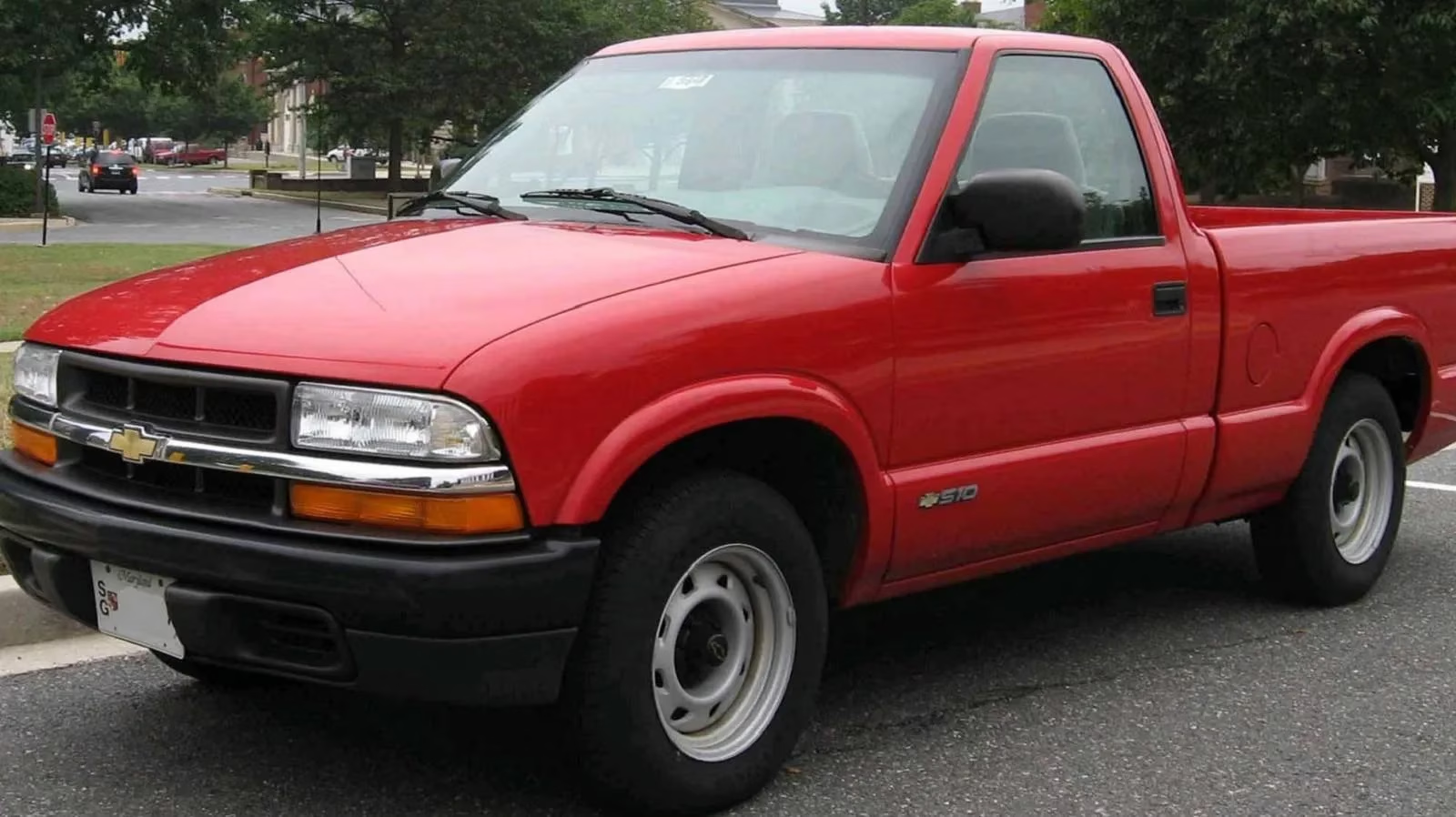
I’ll be honest: I’m not here to pretend the 1990s Chevy S10 was some luxury machine. It wasn’t. But that’s exactly why I love it. In 2026, when every new truck seems to cost a fortune and pack more screens than my living room, the S10 still feels like a honest, blue-collar pickup. It’s small, simple, and — if you find a good one — surprisingly tough. You know what? That combination is getting rare.
The S10 has become a bit of a cult favorite for people who miss the era before compact trucks turned into mid-size SUVs with beds. The first-generation truck started production in 1981 as a 1982 model, and Chevy kept it around until 1993. The second generation arrived in 1994 and ran until 2004. During the 1990s, both generations shared their bones with the GMC Sonoma and, in some markets, the Isuzu Hombre. Same truck, different badge — and that’s fine by me.
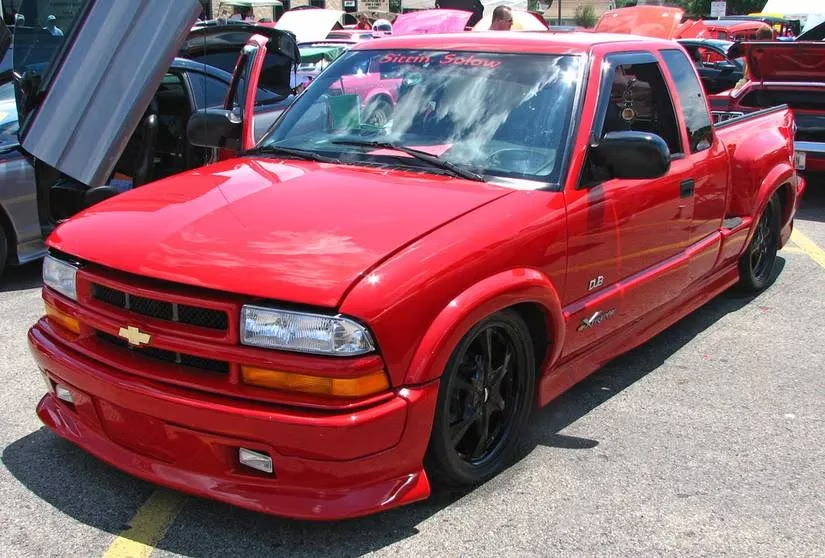
Chevy moved well over 1 million S10 trucks in the 1990s, and I still see them on the road today. That says something. These trucks earned a reputation for tank-like reliability, decent performance, and handsome styling. They aren’t fast by modern standards, but they’re honest. And honestly, that’s the sweet spot for a weekend project or a cheap work truck.
Engines and performance: pick your flavor
The S10 engine lineup is a mixed bag, which is part of the fun. The first generation had gasoline four- and six-cylinder engines, plus an Isuzu-sourced four-cylinder diesel. Power ranged from a sleepy 62 hp to 165 hp. Early trucks could take up to 20 seconds to hit 60 mph. No joke. If you wanted the quickest first-gen rig, the 1992–1993 GMC Sonoma packed a 195 hp / 260 lb-ft V6 — but you had to be okay with the GMC badge.
The second generation was better. The base 2.2 L inline-four made 118 hp and 130 lb-ft. The 1994 SS edition brought a higher-output V6 with 180 hp and 245 lb-ft, and it could hit 60 mph in about 7.8 seconds. That’s still respectable for a little truck from the Clinton era.
| Trim / engine | Power | Torque | My take |
|---|---|---|---|
| Early first-gen four-cylinder | 62–120 hp | Modest | Great for cruising, not racing |
| First-gen V6 | Up to 165 hp | Up to 260 lb-ft in Sonoma | Better, but check the badge |
| Second-gen 2.2 L I4 | 118 hp | 130 lb-ft | Simple and cheap to keep alive |
| Second-gen SS V6 | 180 hp | 245 lb-ft | The fun one, if you find it |
Reliability: the S10 can take a beating
Plenty of 1990s American trucks get shade for reliability, especially next to Japanese rivals. But the S10 has a loyal following for a reason. Edmunds reviews and owner stories often point to minor issues rather than major failures — as long as you keep up with maintenance. That’s true for any vehicle, but the S10 seems to shrug off abuse better than it should.
If you’re buying one in 2026, I’d aim for a second-generation truck. Parts availability is the big reason. Since the second-gen ran until 2004, you’ll have an easier time finding what you need. Prices still vary a lot: depending on year, mileage, engine, and condition, you might pay roughly $3,000 to $10,000. Clean examples are getting rarer, though, and nice ones are creeping up. I wouldn’t be surprised if solid S10s keep climbing as they edge toward classic status.
What else should you look at?
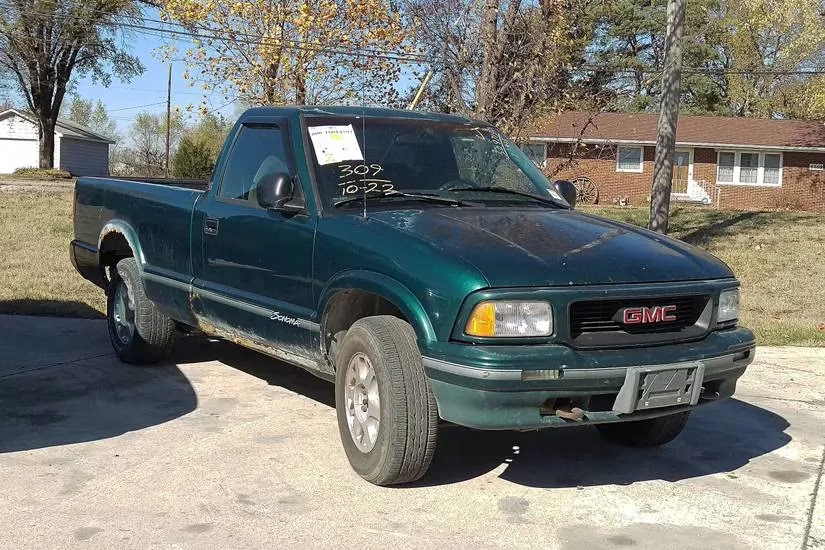
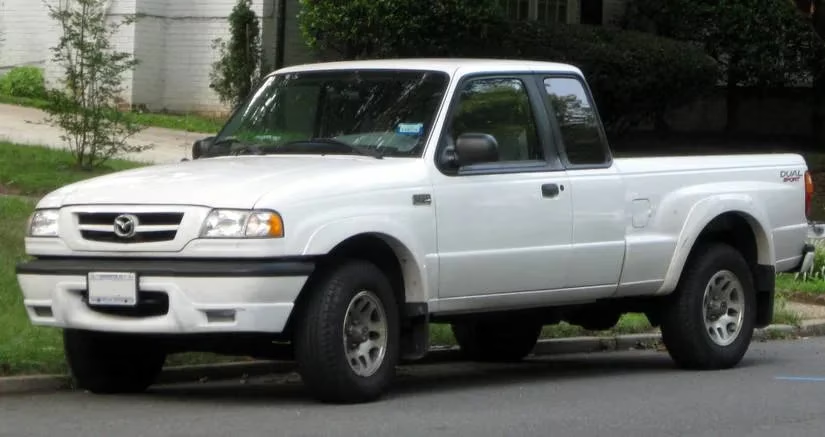
If you don’t mind the badge, the GMC Sonoma is basically the same truck. The Ford Ranger was the S10’s main rival, with similar four- and six-cylinder power and similar performance. The Ranger has one big advantage: there are usually more of them on the used market. The Mazda B-Series is another Ranger under the skin, though fewer were made. And if you want the lowest-maintenance small truck with a long-life reputation, the Toyota Tacoma is the obvious pick — but you’ll pay for that reputation.
My final take
The 1990s Chevy S10 isn’t a future collectible because it was perfect. It’s a future collectible because it was useful, fixable, and tough. In 2026, that matters more than ever. If you want a small pickup that doesn’t feel like a rolling computer and won’t break your budget, the S10 is still worth a look. Just bring a flashlight, check the frame, and don’t expect miracles. Expect a truck. That’s the point. 🚙