
In a shocking turn of events that sent ripples of panic across the globe, the first-ever human case of the H5 Avian Flu in Canada was confirmed in British Columbia back in 2024, involving a teenager whose life now hangs in the balance. This unprecedented incident, unfolding in the Fraser Health region, has thrust the nation into a state of high alert as the young patient battles for survival at the B.C. Children’s Hospital. 😱 Experts are reeling with disbelief—how could such a rare, bird-centric virus leap to humans on Canadian soil? The sheer audacity of this outbreak has left epidemiologists scrambling, with Dr. Bonnie Henry, the Provincial Health Officer, spearheading a frantic investigation into the origins and contacts of this tragic case. Imagine the horror: a simple interaction with an infected bird or contaminated surface could spell doom, and now, as we reflect in 2025, the world wonders if this was just the tip of a monstrous iceberg. Could this be the harbinger of a new pandemic era? The fear is palpable, and the stakes have never been higher.

The Virus That Shook the World
H5 Avian Flu, primarily a scourge of birds, has always lurked in the shadows of crowded, unventilated poultry farms, where it spreads like wildfire through feces, mucus, and saliva. But in a twist that defies all odds, this virus breached the human barrier in Canada, leaving specialists utterly flabbergasted. Dr. Isaac Bogoch, an infectious disease guru at Toronto General Hospital, couldn't hide his alarm, emphasizing that the pathogen has the potential to inflict 'significant clinical harm'—think pneumonia, organ failure, and even death. The thought alone sends shivers down one's spine: how could something so deadly, once confined to feathered creatures, now threaten humanity? Personal feelings of dread creep in as we recall the 2014 case, where a traveler from China succumbed to H5N1, a grim reminder that this isn't just a bird problem—it's a ticking time bomb for us all. 😨
Symptoms and Silent Spread
The human toll of this virus is nothing short of terrifying. Symptoms range from mild annoyances to catastrophic health crises, evolving rapidly into life-threatening conditions. Here's a quick rundown of what victims might face:
-
Mild signs: Fever, cough, and fatigue—deceptively simple at first.
-
Severe outcomes: Pneumonia that ravages the lungs, organ failure that shuts down the body, and in worst cases, death.
Imagine waking up with a sniffle, only to find yourself gasping for air days later—it's a nightmare scenario that experts fear could escalate. Transmission is insidious: the virus invades through mouth, nose, or eyes via airborne droplets, dust, or contaminated surfaces. One careless touch, and boom—you're infected. The sheer ease of spread is mind-boggling, and in crowded settings like farms, it's a recipe for disaster. 😷

Ground Zero: British Columbia's Outbreak Epicenter
Since October 2024, British Columbia has transformed into a hotbed of H5N1 activity, with a staggering 22 sites reporting outbreaks. The list reads like a horror story:
| Affected Locations | Type of Site | Report Date |
|---|---|---|
| Fraser Health region | Human case origin | November 2024 |
| Vancouver Island | Petting farm | Early November 2024 |
| Multiple poultry farms | Agricultural hubs | Throughout October 2024 |
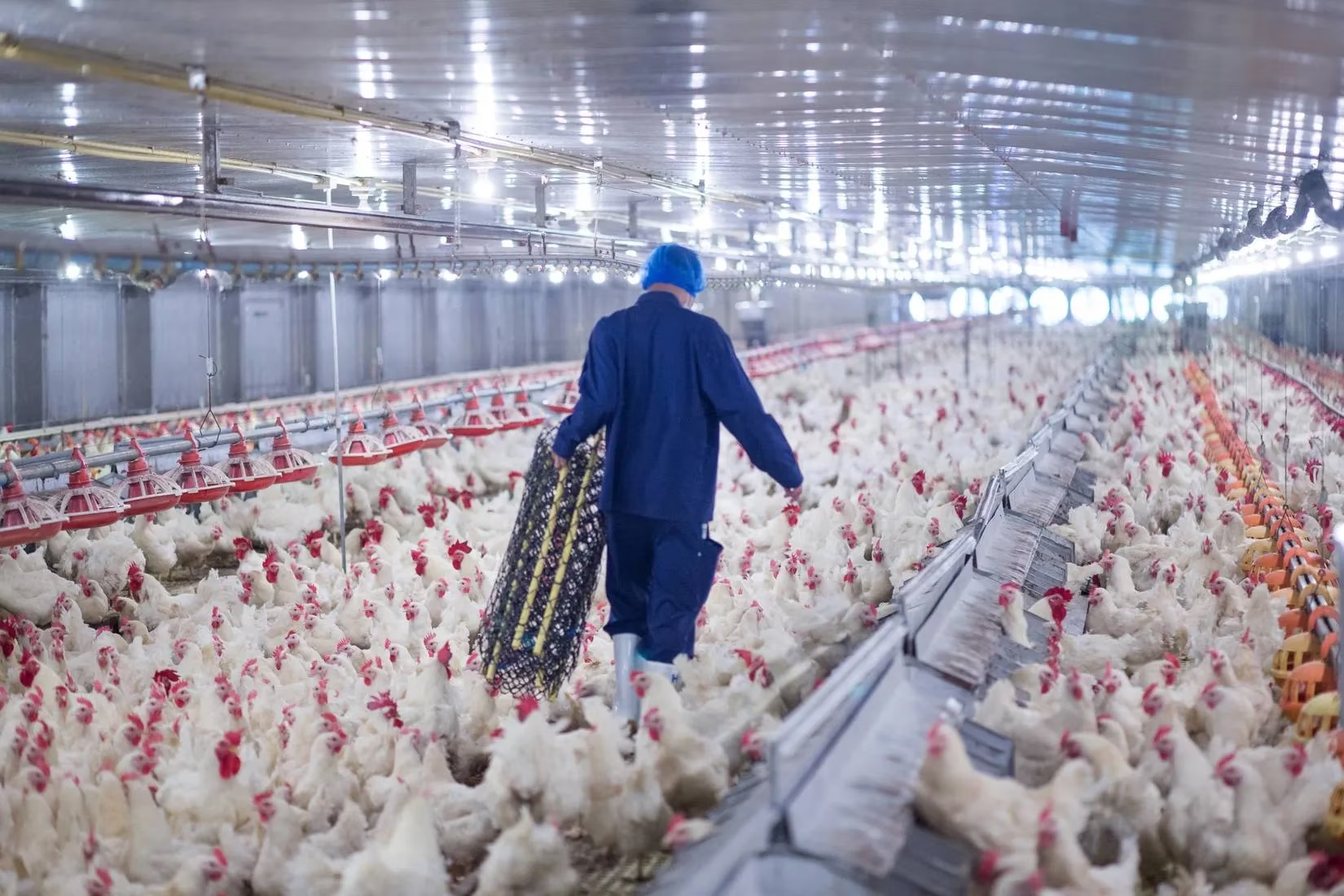
Overcrowded conditions in these farms, where birds are packed like sardines, have become breeding grounds for the virus. The image of such a farm is haunting—feathers and filth everywhere, a perfect storm for contagion. As of November 10, 2024, the province was on high alert, with detection spreading like wildfire. Fast forward to 2025, and the question lingers: could this have been prevented? The investigation by Dr. Henry is still ongoing, but the sense of urgency is overwhelming. Are we doing enough to protect our food sources and communities? 🤔
Expert Insights and Global Implications
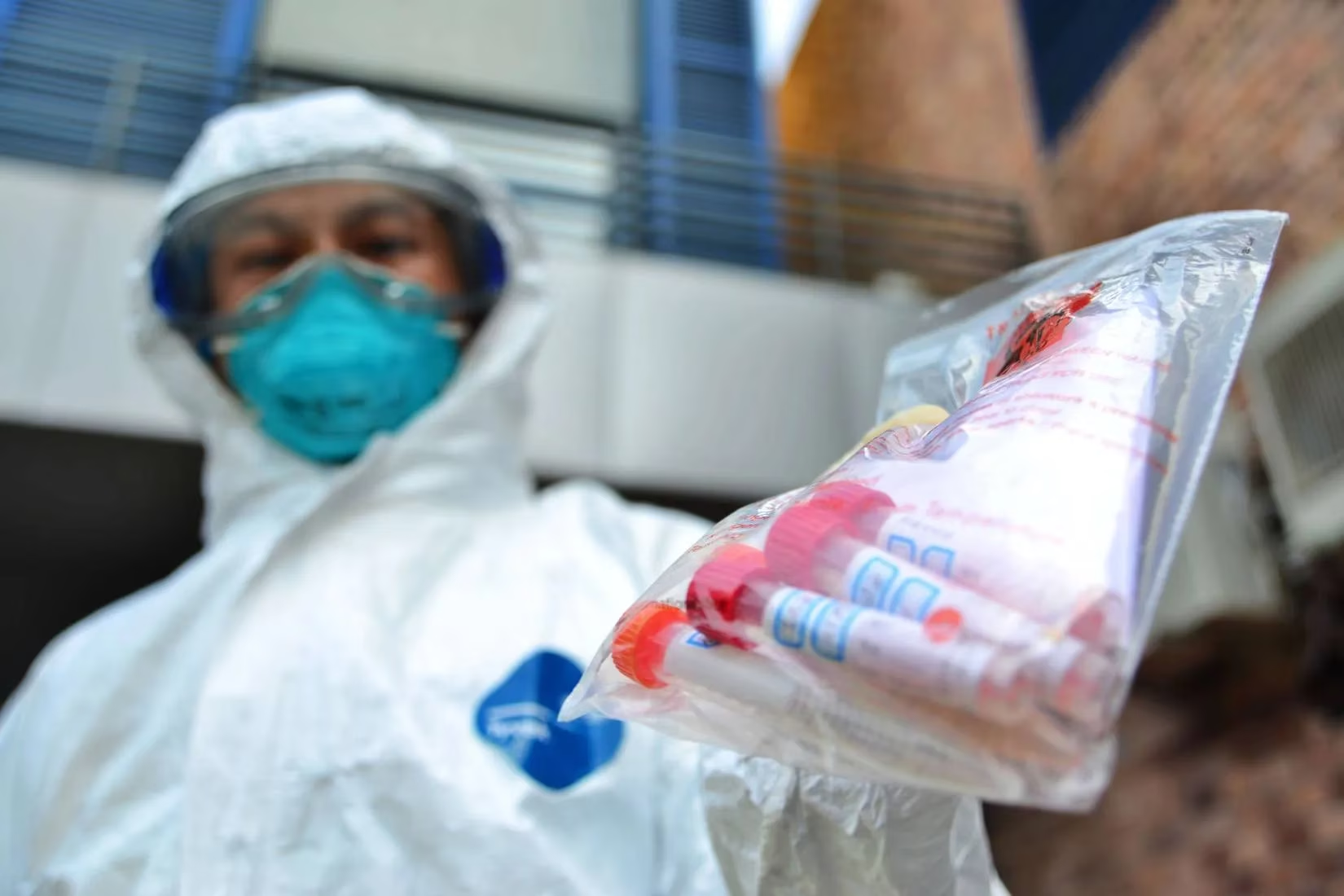
Infectious disease specialists are sounding the alarm louder than ever. Dr. Bogoch's warnings echo with chilling clarity: this virus isn't just a fluke; it's a potential game-changer for human health. Historically, human cases were rare outside Canada, but now, with this teen's infection, the world must confront the reality that avian flu could become the next global threat. The fear is contagious—experts feel a knot of anxiety tightening, wondering if improved ventilation on farms or stricter biosecurity could have averted this crisis. Personal reflections on the 2014 death case add layers of sorrow; it's as if history is repeating itself, but with higher stakes. Why aren't we learning from past mistakes? The detection methods, though advanced, feel like band-aids on a gaping wound.
As we stand in 2025, gazing back at this watershed moment, the path forward is shrouded in uncertainty. What if this virus mutates further, jumping easily between humans? Are our healthcare systems robust enough to handle a surge? Or will we, as a society, be caught off guard once more? The answers aren't simple, but the questions demand urgent contemplation. 🤯