
As a seasoned traveler deeply invested in global football culture, I see the excitement building for the 2026 FIFA World Cup across North America. Yet, a looming shadow threatens to dim the spectacle in the United States. Proposed U.S. security measures, demanding an unprecedented digital excavation of visitors' lives, risk transforming America's World Cup dream into a tourism nightmare, pushing fans towards Canada and Mexico like migratory birds avoiding a sudden storm. The sheer scale is staggering—White House Task Force Director Andrew Giuliani estimates five to seven million spectators could descend on the U.S. alone. But this potential windfall is jeopardized by a newly published proposal from U.S. Customs and Border Protection (CBP), mandating a deep dive into the social media histories of travelers from Visa Waiver Program (VWP) nations.
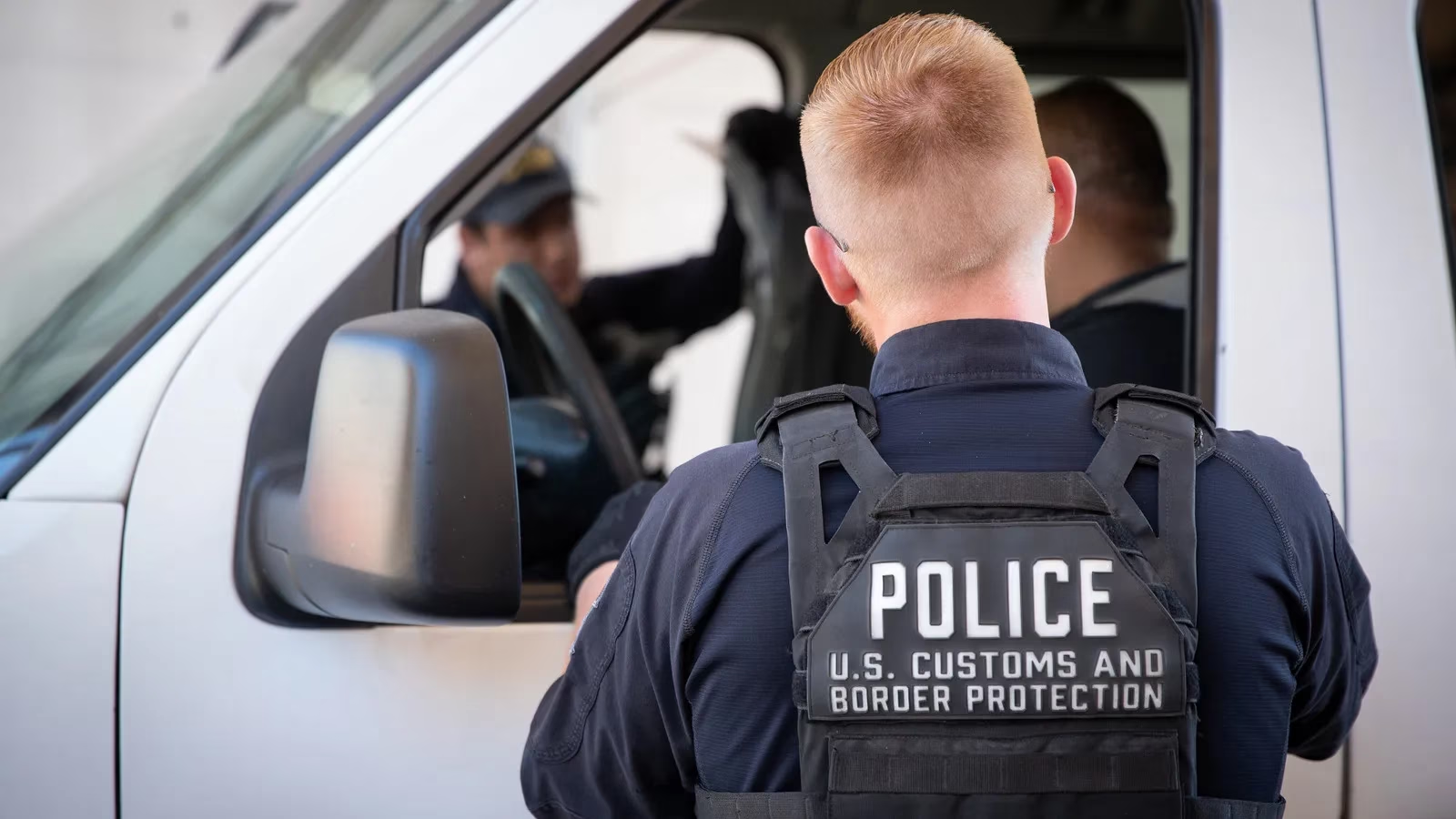
This proposal, an extension of President Donald J. Trump's executive order on national security, demands far more than just social media handles from the past five years. Submitting an ESTA (Electronic System for Travel Authorization) application would feel like entering a fractal maze of personal data. Travelers from key tourism markets like the UK, Australia, Japan, South Korea, Qatar, and much of Europe would need to provide:
-
Five Years of Digital Echoes: Telephone numbers used, business phone numbers used.
-
A Decade of Digital Trails: Email accounts used, business email addresses used.
-
Intimate Family Tapestry: Names of parents, spouses, siblings, and children; their telephone numbers, birth dates, birthplaces, and residencies.
-
Biometric Blueprints: Facial recognition, fingerprints, DNA, and iris scans.
-
Digital Breadcrumbs: IP addresses and metadata tied to uploaded photos.
Instead of weaving a welcome mat, this feels like unfurling a barbed wire fence for the world's most valuable tourists. Travel experts and immigration lawyers are sounding alarms:
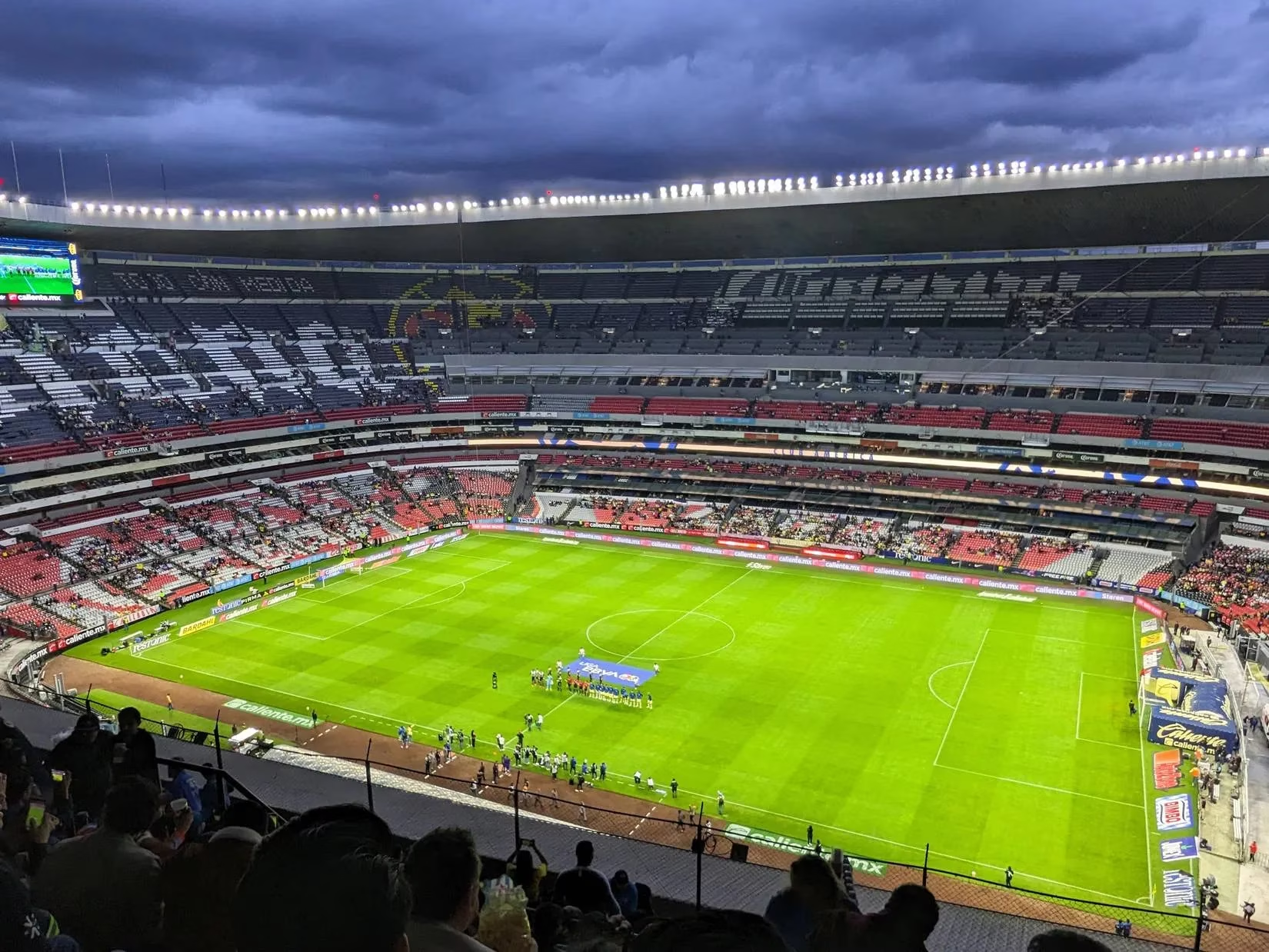
- Deterrence Effect: Privacy concerns over submitting such intimate details are profound. Fans may simply decide the scrutiny isn't worth it, opting for the perceived ease of Canada or Mexico. Mexico's iconic Estadio Azteca, hosting the opening match, becomes an even more attractive alternative.
-
Processing Paralysis: Immigration law firm Fragomen warns this avalanche of data could dramatically slow ESTA processing times, creating a bureaucratic bottleneck right when speed is essential.
-
Reinforcing a Negative Trend: A May 2025 study by the World Travel & Tourism Council (WTTC) delivered a stark warning: the U.S. is projected to be the only country among 184 analyzed to see a decline in international visitor spending this year. WTTC President & CEO Julia Simpson didn't mince words: "The world's biggest Travel & Tourism economy is heading in the wrong direction... While other nations are rolling out the welcome mat, the U.S. government is putting up the 'closed' sign." These new rules threaten to supercharge this decline during the World Cup.
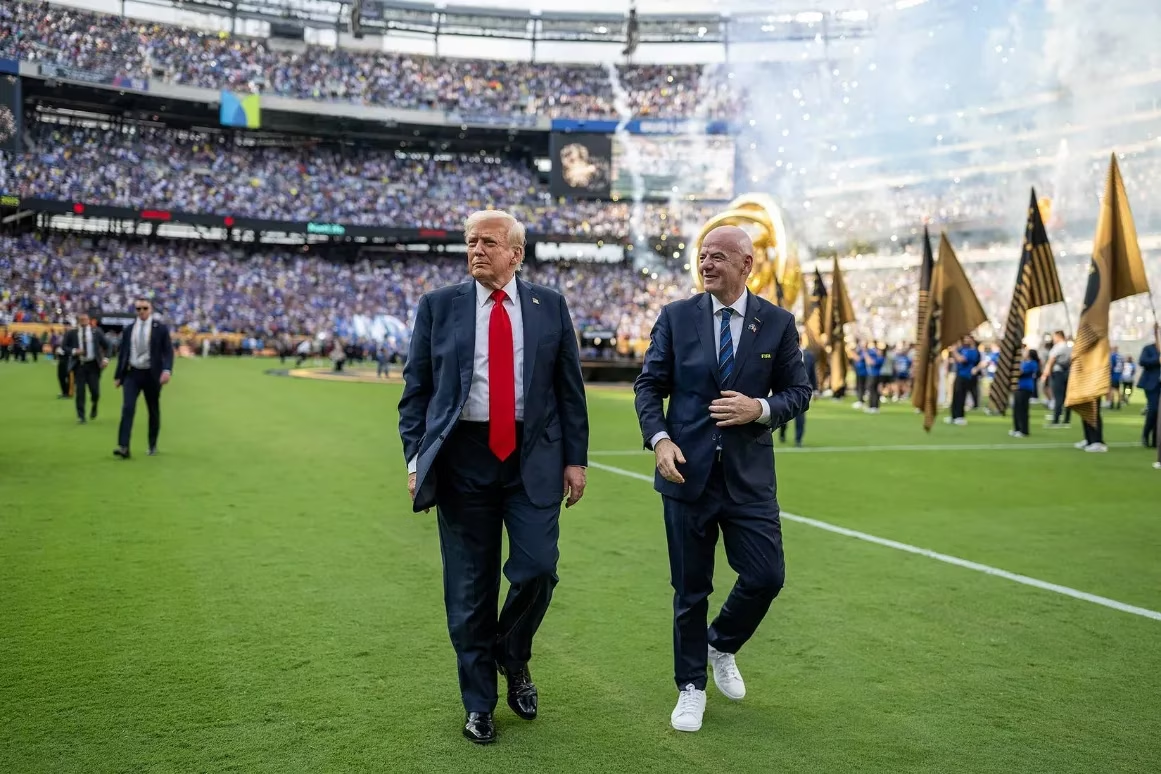
Adding fuel to the fire is the current climate of heightened immigration enforcement within the U.S. Executive Director Giuliani's recent comments to The Times did little to reassure nervous fans. When asked if immigration enforcement would be limited during the tournament, his response was chillingly vague: "The president has not ruled out anything that will make American citizens safer." This stands in stark, confusing contrast to President Trump's earlier assurances of non-discriminatory entry for eligible athletes, officials, and fans.
Online forums like Reddit are buzzing with frustration and fear among international supporters. Giuliani later attempted damage control with Sky News, stating fans wanting to enjoy the games were still welcome. But the damage to trust feels palpable. The uncertainty surrounding ICE enforcement activities, particularly in host cities like Los Angeles, compounds the anxiety.

For many international fans, the equation is becoming painfully simple. The proposed U.S. digital dragnet, layered over existing enforcement anxieties and processing delays, makes attending matches north of the border or south of it look significantly less daunting. Canada and Mexico aren't just offering football; they're offering relative sanctuary from an increasingly complex and intrusive entry process. The U.S. risks scoring a spectacular own goal, turning the world's biggest sporting event into a catalyst for its further isolation in the global tourism market. The beautiful game deserves a welcoming stage, not a fortress guarded by data miners.